
What Happens When You Respond to Spam Messages?
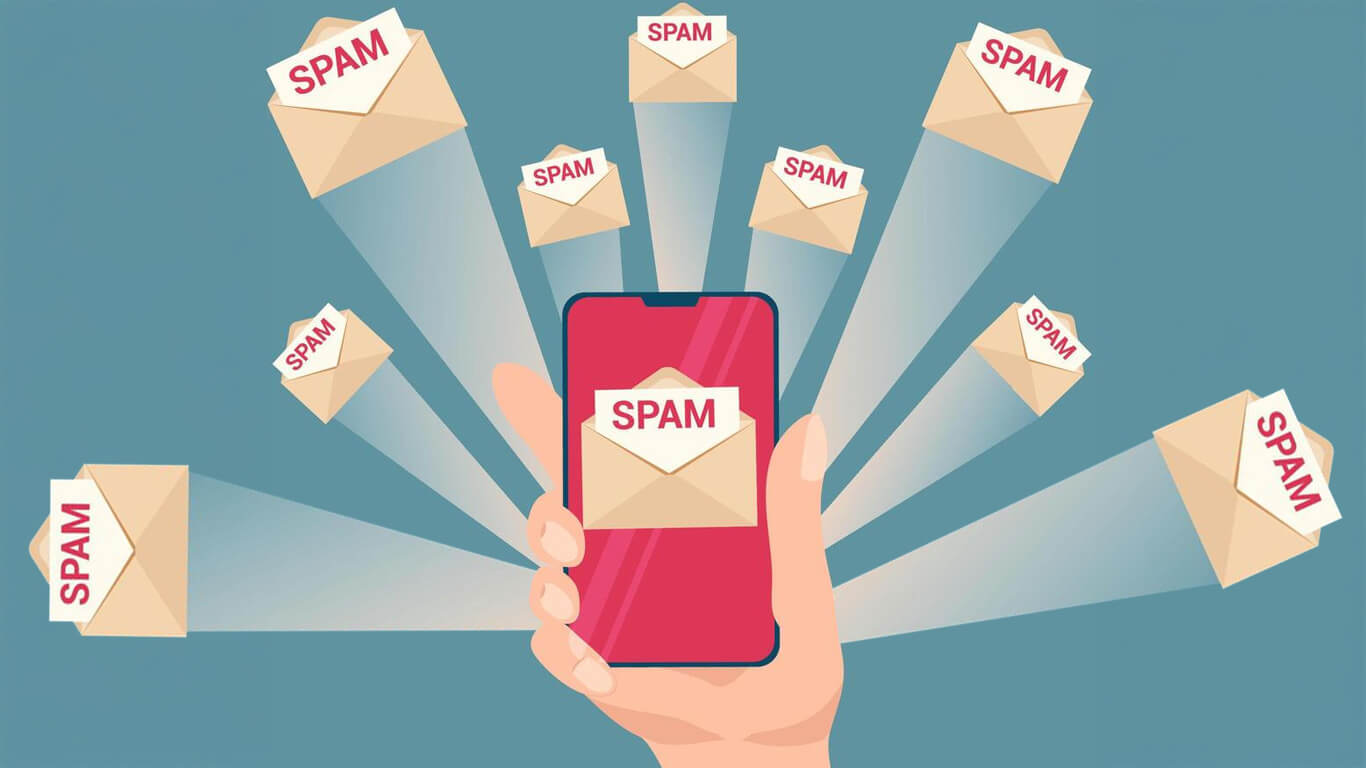
Spam texts. Ugh. They show up at the worst times, right? That random ping from a number you don’t know, claiming you won a prize, your account is locked, or some package is “stuck.” And yeah… sometimes you just wanna hit reply. Maybe to say “stop,” maybe to see what happens. It feels harmless enough. Just a quick text back, right?
Here’s the thing, it’s not harmless. In 2025, spam is way smarter. AI can make texts sound like a human actually wrote them. Delivery alerts can look real. Crypto “gifts” might trick even the sharpest people.
So, can replying to a spam text be dangerous? Yes. Very much so. It’s not just curiosity anymore, it can put your number, your personal info, and your phone itself at risk. If you’ve ever wondered what happens if you respond to a spam text, you’re asking the right question, because the risks are real.
What Spam Texts Look Like in 2026
By 2024 and 2025, spam texts had already moved beyond obvious misspellings and random links. Messages started to look more polished, often mimicking delivery updates, bank alerts, subscription notices, or customer support follow-ups. Many used familiar brand names, short URLs, and urgent language to push quick reactions. The goal was simple: blend in just enough to avoid immediate suspicion.
In 2026, spam texts are expected to feel even more personal and convincing. Messages may reference recent purchases, location-based services, or ongoing conversations, making them harder to dismiss as fake. Instead of mass-sent blasts, many scams will appear as short, casual check-ins that sound human, sometimes arriving as replies in existing message threads. This shift makes it easier for scams to slip past both filters and instinct.
What stands out in 2026 is subtlety. Spam texts rely less on panic and more on trust, nudging recipients to click, reply, or “confirm” something that feels routine. With better automation and AI-generated language, these messages often look legitimate at first glance, turning everyday texts into potential entry points for fraud if users let their guard down.
What Happens If You Respond to a Spam Text
Okay, you hit “send.” What now?
1. You Confirm Your Number Works
By replying, you’ve basically told scammers: “This number is active.” Congrats. Now expect more spam, maybe from new scammers you’ve never heard of. Your number just became more valuable.
2. Probing Messages Start Coming
Replying can kick off a conversation you didn’t ask for. Scammers might ask for your name, your address, or what bank you use. One piece of info seems harmless, but put it all together? That’s a profile they can exploit.
3. Malware & Fraud Risk
Thinking replying is safe? Not quite. The next message could include a link or an attachment. Click it, and you could accidentally download malware, spyware, or malicious apps. These can:
- Access your contacts and messages.
- Track your location.
- Steal passwords, banking info, and other sensitive data.
- Let scammers control your phone remotely.
So if you’ve ever wondered, if you respond to a text, can you be hacked?’ The answer is: probably not right away, but replying definitely puts you on a scammer’s radar. Replying to a spam text can be dangerous, especially if it leads you to click something shady.
4. Money Problems
Replying might open the door to scams that want your cash. Fake subscriptions, crypto schemes, or products that never arrive. Scammers are persistent and clever, curiosity can be expensive.
5. Mental Stress
Spam texts are exhausting. Urgent, threatening, or harassing messages can create stress and push you to act without thinking. Even if nothing gets stolen, dealing with it all the time is draining.
In 2025, AI-targeted phishing and mobile malware are more common than ever. While replying usually doesn’t instantly hack your phone, it definitely makes you a more likely target.
Technical and Personal Risks
Spam is more than annoying, it’s risky.
Malware Risk
Clicking links or downloading attachments can install malware. Spyware can steal your info. Apps can hijack your phone.
Identity Exposure
Even small details, your name, email, or a bank hint, can be pieced together to steal your identity or get you with a bigger scam.
Money Risks
Scammers are after your money. Fake subscriptions, crypto scams, or products that don’t exist are all fair game for them.
Mental Toll
Urgent or threatening texts are designed to stress you out and get you to act fast. Constant spam can seriously wear you down.
How to Spot a Scam Text
Here’s what to look for:
- The message creates urgency and pushes you to act immediately.
- It contains suspicious links or attachments, especially shortened URLs.
- There are typos or generic greetings, like “Dear Customer” or awkward grammar.
- The offer seems too good to be true, such as free crypto, gift cards, or expensive items you didn’t earn.
When in doubt, don’t click. Open the official website or app to verify instead.
What To Do Instead of Responding
Here’s your survival guide:
- Don’t reply. Even “Stop” confirms your number is active
- Don’t click links. Open the official apps or websites yourself.
- Report the message. U.S. users can forward to 7726 (SPAM). Other countries have similar systems.
- Block the number.
- Use spam filters on your phone.
- Keep your phone updated.
- Install trusted antivirus apps.
- Check accounts for anything weird.
- Enable two-factor authentication and update passwords if needed.
For instance, you get a text about “suspicious activity” on your social media. Don’t click the link. Open the app yourself, check notifications, and change your password if needed.
Why People Still Respond
People still reply to sketchy messages for all sorts of very human reasons. Curiosity gets the best of them because they want to know what is hiding behind the text. Confusion makes the message feel almost real. Urgent wording pushes them to act before thinking. Some messages pretend to be a friend or a familiar brand and that lowers defenses fast. A few even sprinkle in personal details to look official. Then there are the promises of freebies. Because who would not want instant rewards from a stranger on the internet, right? That one reply is all scammers need and it usually puts you on their favorite customer list.
The safest move is simple. Slow down for one moment and treat every unexpected message like it is auditioning for your attention. If it fails the vibe check, delete it. Your future self will thank you for it.

Well, pack it up, Michigan. The right to privacy on the internet is on life support again—and this time, the hit comes from your own lawmakers.
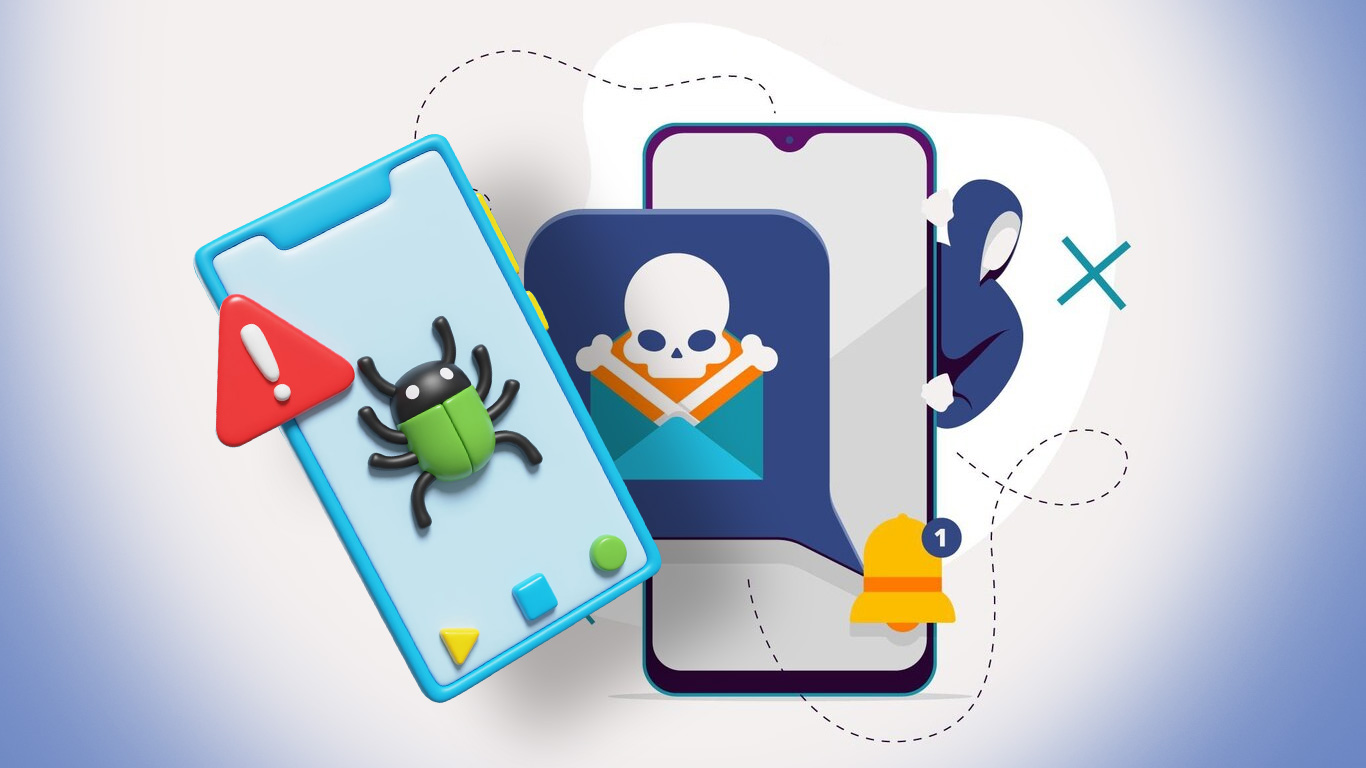
If your phone keeps freezing mid-scroll, crashes out of nowhere, drains battery, or just feels slower than usual, it could be infected. Yes, phones can get viruses, even brand-new ones with the latest updates.