
How to Spot the Difference Between a Data Breach and Data Leak
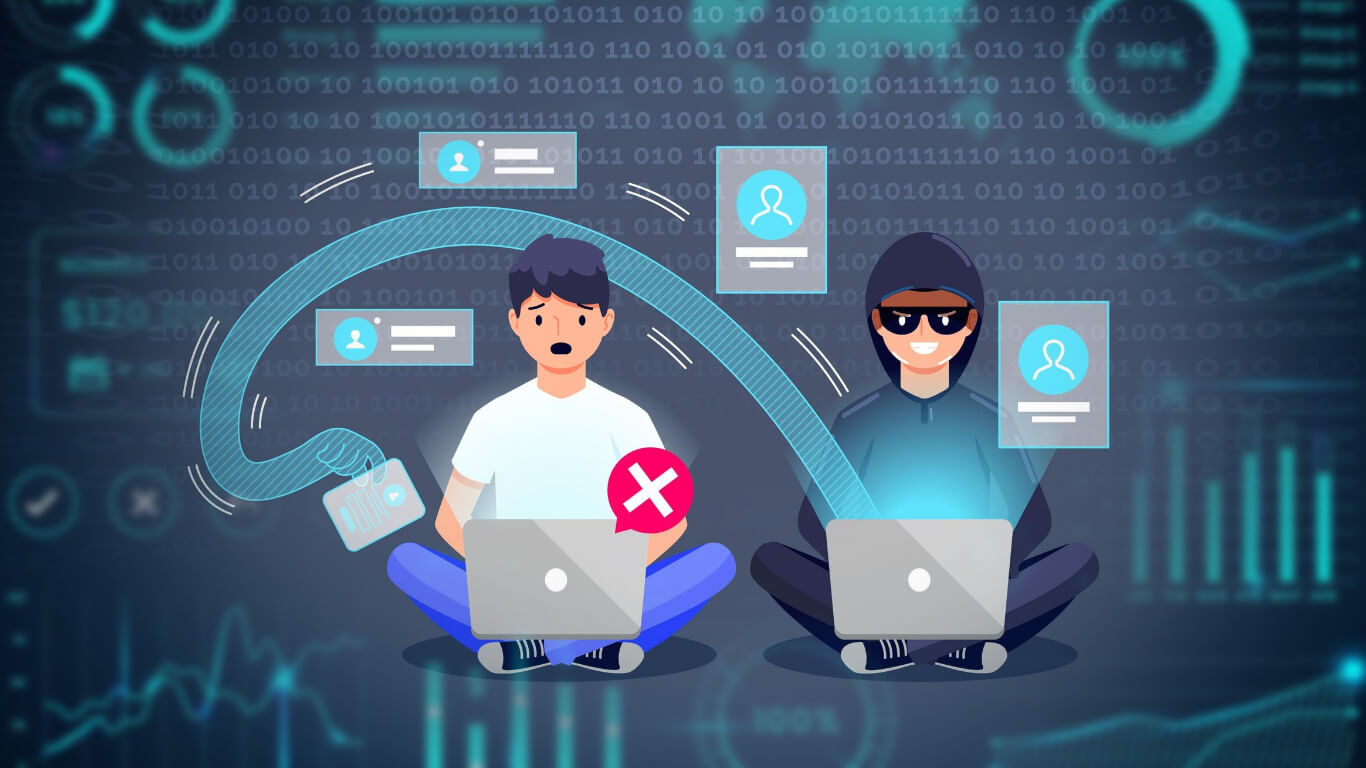
You’ve probably scrolled past headlines about a data breach or a data leak and thought, “That’s for big companies, not me.” Fair enough, but according to a 2025 report from the Identity Theft Resource Center, over 1.7 billion individuals had their personal data compromised in 2024. That includes stuff like email addresses, old account info, and passwords you thought were safely tucked away.
This is why understanding data breach’s difference from data leak actually matters. These two issues happen in very different ways, but both can cause your private information to end up somewhere it shouldn’t. And now, with cloud storage, AI tools, and remote work being totally normal in 2025, your data lives in more places than you think. Knowing the difference helps you stay chill, aware, and actually ready to protect your info, no stress needed.
What’s a Data Breach?
A data breach is a deliberate break-in. Someone wants access to information inside accounts, networks, or databases, so they look for weaknesses and take advantage of them. Breaches require effort, planning, strategy, tools, and a clear goal to steal data they can profit from.
Hackers don’t go after random places. They target systems where large amounts of valuable information live, because one successful attack can affect millions.
Where Data Breaches Usually Happen
Breaches often hit systems with massive user activity or sensitive details, including:
- Company databases holding customer information
- Financial platforms
- Cloud services
- Popular apps with high login traffic
- Accounts with weak or reused passwords
Once attackers get inside, they gather anything useful: emails, passwords, financial details, personal data, and more. They either sell it, use it for fraud, or leverage it for larger attacks. A single breach can trigger identity theft, scams, and long-term account risks.
What Does Data Leak Mean for You?
A data leak can hit different people in different ways.
For everyday internet users:
Your emails, passwords, or payment info could end up in the wrong hands. That can mean spam, account hacks, or even identity theft. Sometimes it starts small, like a single leaked email, but it can quickly turn into a bigger mess.
For employees:
If your work accounts or files get exposed, attackers could access sensitive company info or send emails pretending to be you. Beyond the technical risks, it can put your professional reputation on the line.
For employers:
Data leak is an IT problem as much as it is a business problem. Customer trust can vanish, proprietary info can be stolen, and compliance rules can be broken. Even one employee credential in the wrong hands can open the door to breaches, ransomware, or operational chaos.
Where Data Leaks Usually Happen
Leaks usually come from daily routines and quick decisions, like:
- Wrong permission settings on cloud folders
- Files shared without checking who can view them
- Databases marked “public” instead of “private”
- Sensitive details uploaded into the wrong app or workspace
These slip-ups happen because people rush, multitask, and assume everything is already protected. But one tiny oversight, like picking the wrong setting, can expose far more data than you’d expect.
Real-World Examples & 2025 Trends
You’re seeing more conversations about data breach and data leak for a reason. Digital risks are rising, and a few trends in 2025 explain why:
Cloud dependence
People store nearly everything online now, photos, documents, backups, and random files they forgot existed. It’s easy and convenient, but one wrong setting can make those files visible to anyone. Misconfigured cloud folders are a common cause of accidental exposure, and many people don’t realize it until it’s already happened.
Remote work
Cybersecurity concerning WFH entails using personal Wi-Fi, mixed devices, and apps that aren’t always secure. People switch between accounts, skip updates, or download tools that create weak spots. Attackers take advantage of this. Even a weak router password can make a home setup vulnerable.
AI integration
AI tools help with writing, organizing, and daily tasks. Because they’re convenient, people often paste sensitive info into them without checking privacy rules. If the settings aren’t right, that data can be stored, logged, or used in ways they didn’t expect.
You don’t need to run a business to deal with these risks. Your accounts, apps, and cloud folders can get caught in a data breach or data leak just as easily. The tools you use every day make life easier, but they also create more chances for your information to slip out if you’re not careful.
Protecting Your Data Without Feeling Overwhelmed
Understanding data breach and data leak helps you make sense of what’s happening when your information ends up exposed. One is intentional. The other is accidental. Both matter, but neither should control your life.
You stay safer with a few simple habits:
- Know where your data lives and who can access it: cloud or locally
- Use strong, unique passwords
- Turn on two-factor authentication
- Think before uploading or pasting info into online tools
- Respond quickly when a service alerts you about exposure
- Use identity protection or monitoring tools so you catch issues early
Your data now moves through more apps, devices, and services than ever. You’re not trying to outsmart every threat, you’re building habits that make your information harder to misuse.
Staying safe online isn’t about fear. It’s about awareness, steady routines, and having helpful tools ready when something goes wrong.
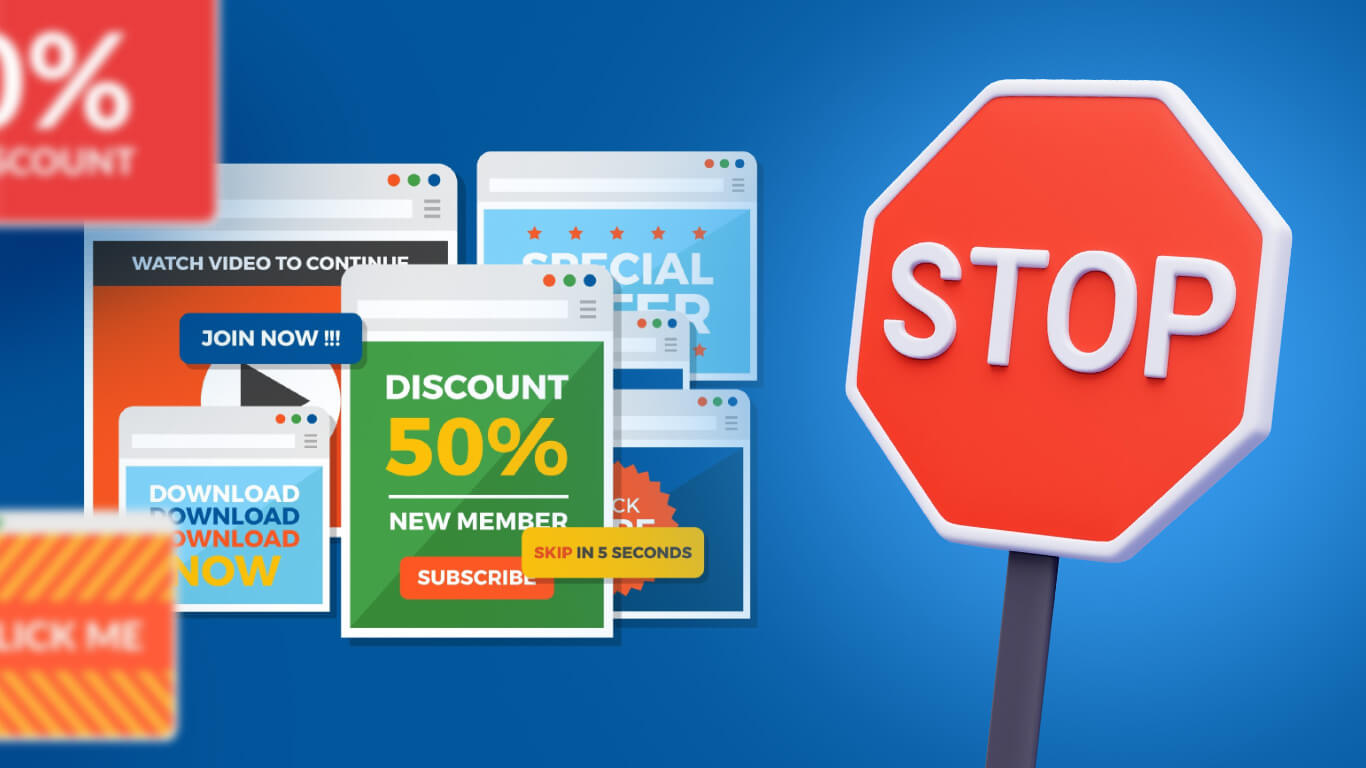
Even in 2025, pop-up ads remain one of the biggest online annoyances. You’re watching a video, reading an article, or checking out a product, and suddenly, your screen gets hijacked by a flashing discount, fake alert, or subscription prompt.
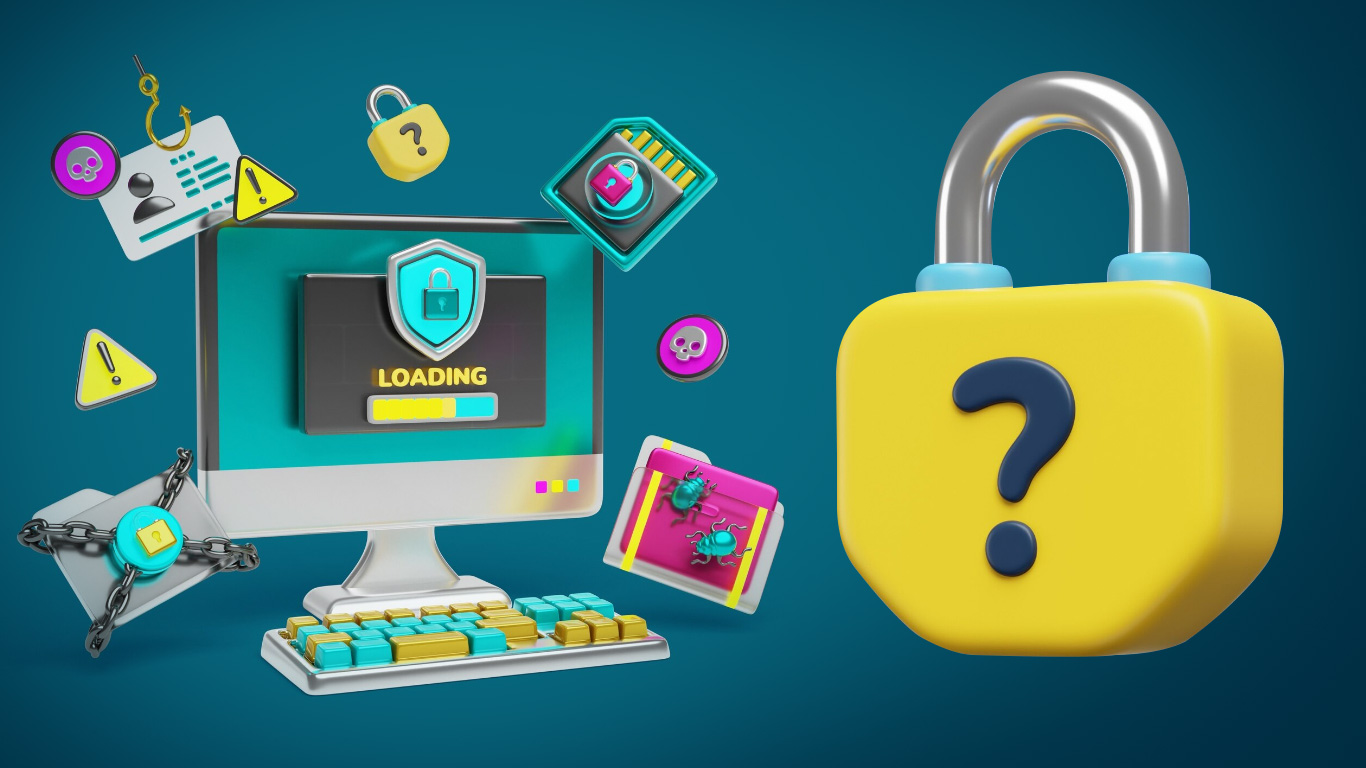
Many people still call any malware a “virus,” but in 2025, cyber threats are far more complex. Hackers mix old-school tricks with modern tactics like ransomware, crypto theft, and AI-powered phishing campaigns.