
Cloud or Hard Drive? A Practical Guide to Choosing the Best Storage
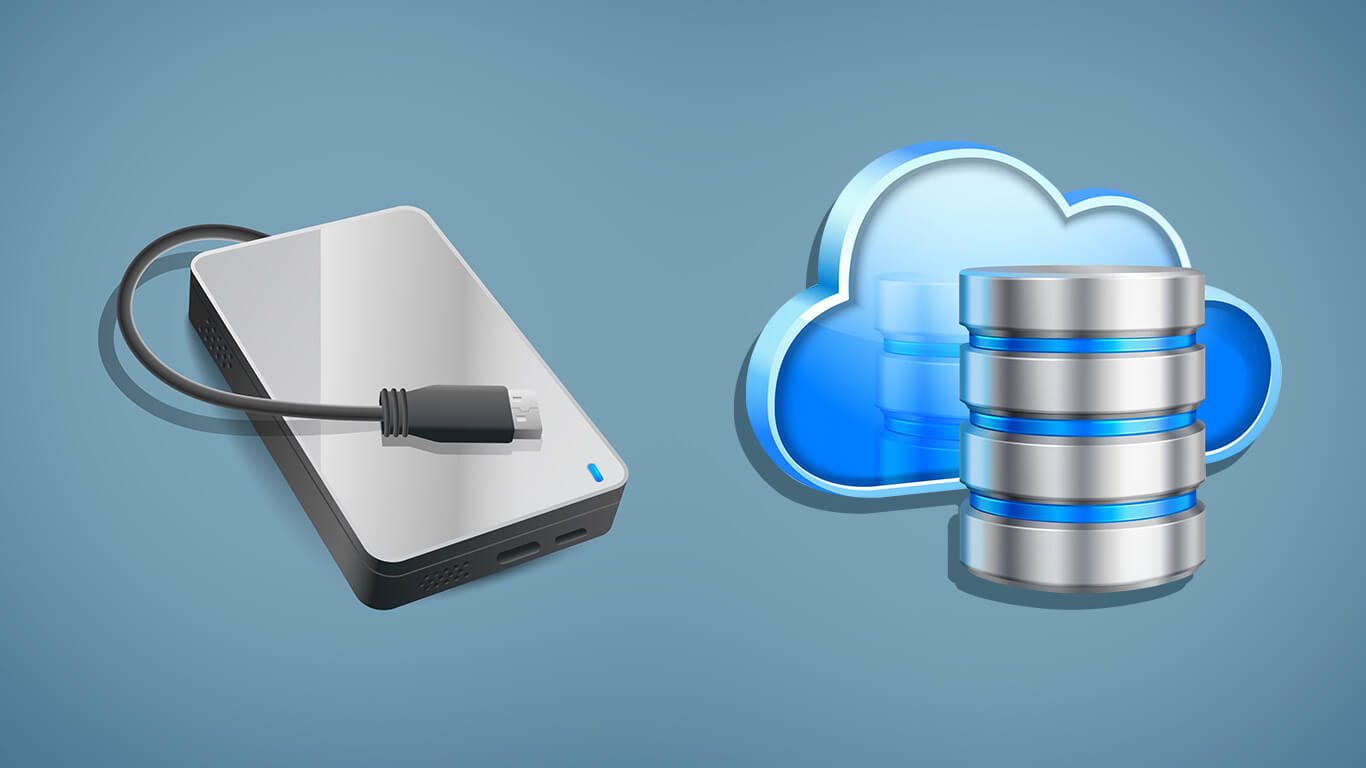
In 2025, our choice between the best cloud storage and hard drives goes beyond file storage, it influences how you work, collaborate, and safeguard your digital life. With remote teams, multiple devices, and massive data growth, your storage choice matters.
A recent survey found that nearly 48% of users rely on cloud storage as their primary method of file storage. Both cloud storage and hard drives have clear advantages and come with trade-offs depending on your processes, device habits, and lifestyle.
Knowing Cloud Storage and Hard Drives
Cloud storage saves your files on remote servers, so you can access them from any device with an internet connection. Popular platforms include Google Drive, Dropbox, OneDrive, and iCloud. It’s ideal for people who switch devices frequently or need real-time collaboration.
Hard drives provide physical storage connected to your computer. SSDs (solid-state drives) are fast and durable, while HDDs (hard disk drives) are slower but provide more storage at a lower cost. Hard drives are perfect for users who prefer offline access, local control, and high-speed handling of large files.
Access and Mobility
Cloud storage gives you access everywhere. Any device, any place, and your files sync automatically so you are always looking at the latest version instead of some fossil from last week. It is the definition of convenience, even if the internet loves reminding us it cannot behave 24 over 7.
External hard drives lock your files to whatever device they are plugged into. Portable drives help a bit. The upside is you get guaranteed offline access, which matters when you are traveling or dealing with internet speeds.
Cybersecurity in remote and hybrid work turned cloud storage versus external hard drives into an actual debate. Cloud takes the crown for convenience on multiple devices. External drives win for steady offline reliability. Pick your priority and live with the trade off.
Speed and Performance
SSDs deliver fast local access that suits video editing, 3D rendering, and large software projects. They respond instantly and keep workflows moving without excuses. HDDs move at a slower pace but store huge volumes of data without draining a budget. They remain the dependable option for anyone managing massive archives.
Cloud storage speed sits at the mercy of your internet. With 5G and 6G networks and well tuned servers, everyday tasks such as file sharing, streaming, and collaborative editing now run smoothly enough for most users. The experience has improved to a point where convenience often outweighs raw power.
A 50GB 4K video still downloads faster on a local SSD. That fact is not changing. Yet small files are far easier to pull from the cloud. The performance debate between cloud storage and external drives comes down to this contrast. Immediate speed on your desk or flexible access wherever you happen to be.
Cost Considerations
Hard drives come with a single upfront cost and no monthly surprises. The cost per gigabyte stays low, especially when you need serious storage space. It is the budget friendly route for anyone sitting on a mountain of files.
Cloud storage runs on subscriptions and grows with your usage. It removes the painful upfront fee, but long term costs can stack up fast. You pay for convenience, and the bill reflects it.
For massive personal media archives, an external drive usually wins on price. For constant access across multiple devices and nonstop online collaboration, cloud storage is the easier choice. Comparing an external hard drive with cloud backup is the simplest way to decide which option actually makes sense for your needs.
Security and Data Protection
Hard drives give you full control and keep your files offline, which cuts down the usual online hacking risks that could happen on cloud. The trade off is obvious here. They can be stolen, damaged, or fail without warning. They also demand manual backups, and most people forget until it is too late.
Cloud storage brings encryption, automatic backups, and version history to the table. It shields your files from cyberattacks and accidental deletions. You rely on a third party, but the security updates arrive constantly and quietly in the background. It is maintenance without the headache.
In 2025, cyberattacks keep climbing. Automated cloud protection continues to attract users who want safety without effort. Offline storage still appeals to those who want privacy and total control. The choice reflects what you trust more.
Storage Capacity
Hard drives come with a fixed capacity that works well for predictable storage needs. Modern HDDs offer multiple terabytes at reasonable prices, which makes them a solid choice for massive media libraries that do not change much. They deliver space without drama and keep everything local.
Cloud storage offers virtually unlimited space and scales the moment you need more. With AI generated content, 8K video, and VR or AR files growing in size, that kind of flexibility becomes a real advantage. You expand as you go and never worry about running out of room.
Backup and Recovery
If the drive fails and you forgot to copy your files elsewhere, the data is gone. The method is simple and private, but it demands consistency. Most users promise themselves they will back up regularly, and most users do not.
Cloud providers love to highlight their automated backup systems, version histories, and recovery tools, and to be fair, they earn that bragging rights. These features rescue users from accidental deletions, hardware failures, and the occasional lapse in judgment. Your device may break or even get hacked, yet your files remain untouched on secure servers, ready for you whenever you need them.
Collaboration and Sharing
Sharing files through an external hard drive means plugging it in, passing it around, or uploading files one by one. It works for personal use, but the process becomes tiring fast when you are collaborating with a team, especially if everyone is scattered across different locations.
Cloud storage changes the rhythm entirely. Multiple people can work on the same document in real time, track changes, and control who gets to view or edit. Still, not every file belongs online. For highly sensitive or private data, an external hard drive remains a practical option. Offline sharing gives you complete control and keeps your most confidential material in your own hands.
Environmental Considerations
Local drives consume very little energy once they are produced, and they can be reused for years. The environmental impact spreads out over time, which keeps the footprint relatively low for anyone trying to stay mindful of sustainability.
Large data centers power most cloud storage services, and they require significant energy to operate. Providers are moving toward renewable sources, but the overall footprint still sits higher than what you get from a local drive. If sustainability influences your choices, this distinction may guide whether you favor cloud storage or an external hard drive.
Making the Storage Choice is Simple
In most cases, the cloud benefits still come out ahead. Digital issues are getting more complex by the day, and they demand solutions that can keep up.
The real question is simple. Can you afford to lose your files? Does your work or livelihood depend on them? If the answer is yes, cloud storage is the smarter choice. If the answer is no, a good hard drive will do the job without fuss. And if you have the budget, nothing stops you from using both. It is the kind of redundancy that actually makes sense.

Criminal identity theft is the 2026 headache nobody asked for. The problem extends past stolen money or credit card misuse. It’s about someone using your name to commit crimes while you’re busy living your life.

Ad blockers were once welcome tools for everyday browsing. For a while, they delivered exactly what users expected.