
How Passwordless Authentication Boosts Security and Convenience
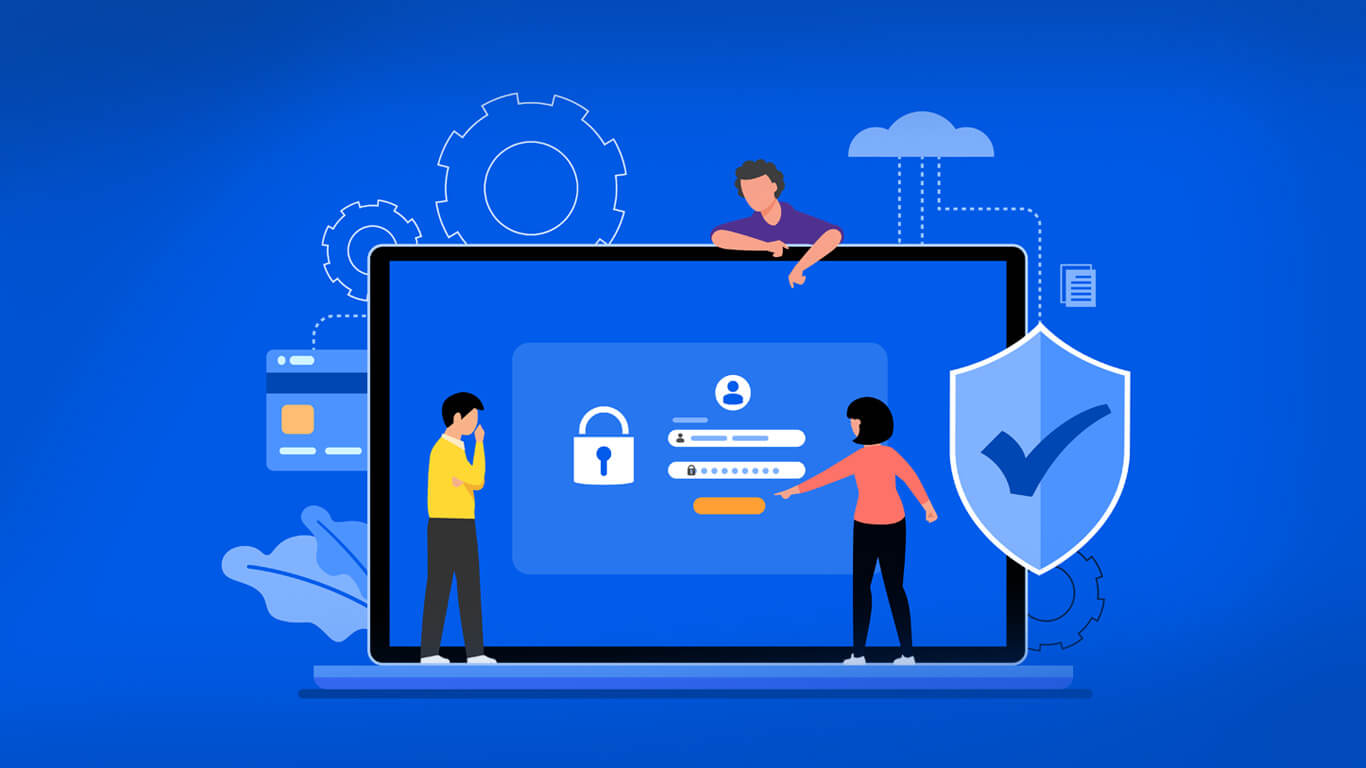
Passwordless authentication is catching on because it makes logging in faster, safer, and way less of a headache. A 2024 NordPass survey found that the average internet user manages around 168 passwords. That explains why login fatigue hits so hard. Forgetting a password, realizing you’ve reused one yet again, or getting a reset email right in the middle of something important, it’s all too familiar. These small annoyances eat your time, break your focus, and quietly put your accounts at risk before you even notice.
In this guide, you’ll get a clear look at how passwordless works, the advantages of passwordless authentication, and the benefits of passwordless authentication you actually feel in your daily life. By the end, you’ll see why ditching passwords is both convenient and a smarter, safer way to manage your accounts.
How Passwordless Authentication Actually Works
Passwordless replaces traditional passwords with identity checks tied to your device. Instead of typing long combinations, you use:
- Biometrics like your fingerprint or Face ID to log in quickly and securely
- Device-bound passkeys stored safely on your phone or laptop so you don’t have to type anything
- Authentication apps that let you tap to approve a login in seconds
- One-time codes sent to your email or phone for instant access
- Hardware keys, which are physical devices that keep your accounts protected
Your device handles all the verification. Nothing gets typed, nothing sits in a vulnerable password database, and even if a site is breached, attackers gain nothing useful. Most passwordless methods rely on secure elements built into modern devices, keeping your sensitive data isolated. Fingerprint and face data never leave your device.Your device confirms the match locally and simply notifies the app that you are the authorized user. It feels simple on your side, but strong security is running quietly behind the scenes.
Everyday Benefits That Improve Your Habits
You Stop Managing Endless Passwords
You finally step away from memorizing complicated passwords you’ve changed too many times. Enough needing backups, or random notes you scribbled in a rush. Reset loops disappear from your day because you’re no longer relying on something you constantly forget. Logging in becomes lighter, faster, and much easier to trust. This alone removes mental clutter and makes your apps feel smoother.
You Build Better Login Habits Without Trying
You never have to reuse weak passwords because you don’t create them at all. You stop saving passwords in chats, screenshots, or notebooks where they could get lost or seen by someone else. You just unlock your device and move on. One of the underrated advantages of passwordless authentication is that it upgrades your habits without asking you to adopt new ones,you get secure behavior by default.
You Get Faster Access Across Devices
When your passkeys sync across your phone and laptop, switching devices feels simple. Open an app, approve the login, and go back to what you were doing. Modern password managers today support passkeys too, so old and new logins stay in one place without confusion. Everything flows more smoothly, especially if you switch devices throughout the day.
You are Focus Only on Productivity
Password issues waste more time than people realize. They interrupt your tasks, push you into verification loops, and slow you down when you’re trying to focus. Passwordless removes those delays. You skip typing long strings and avoid lockouts that break your processes. If you use multiple apps in a day, this time adds up quickly.
Why Passwordless Strengthens Your Security
Passwordless login strengthens security by taking away the weak link that gives hackers an easy way in: passwords. Traditional passwords can be guessed, reused across sites, or stolen in phishing attacks, which makes even the most careful teams vulnerable. With passwordless authentication, access relies on something a user physically has like a phone, security key, or biometric factor making it much harder for attackers to break in.
On top of that, passwordless solutions follow widely recognized standards like FIDO2 and WebAuthn, which ensures your business stays aligned with modern security practices. That compliance reduces risks from data breaches and simplifies keeping your systems secure without slowing down daily operations. Overall, passwordless doesn’t just make life easier for your team, it gives your business a stronger, smarter layer of protection.
Why Companies Prefer Passwordless
Fewer Support Tickets
If you run a small business, you know how often people forget their passwords. Those reset requests pile up fast and eat into your IT team’s time, even if you only have one or two people handling tech issues. Passwordless login cuts those requests almost instantly. Your team can focus on real work instead of digging through reset emails, and everyone else enjoys quicker access to what they need.
Better Experience for Users
Bringing in a new employee or onboarding a new customer becomes way easier. Instead of spending minutes setting up passwords and going through complicated rules, passwordless logins get them within seconds. No one needs to memorize long strings or come up with something “unique” again. It keeps the process simple and gives people a smoother experience right from the start.
Meets Modern Security Standards
Small businesses deal with the same security expectations as larger companies, and passwordless authentication already follows trusted standards like FIDO2 and WebAuthn. This helps lower the risk of breaches and keeps you aligned with common compliance requirements. You protect your business without adding more work to your day.
Perfect for Hybrid and Remote Setups
If your team works from different places, passwordless makes everyday login a lot easier. Whether someone is at home, in a café, or in the office, the experience stays the same. No downtime from forgotten passwords, no delays waiting for support. It keeps everyone moving.
Stronger Identity Checks
Passwordless also strengthens security at the same time. Since login is tied to a device or a physical authentication method, only the right people get into your systems. Attackers have a harder time sneaking in, and your team gets secure access without extra steps slowing them down.
Possible Limitations to Keep in Mind
You Need Secure Devices
Passwordless relies on your devices as keys. If someone can unlock your phone or laptop, they can access your accounts. Setting up a strong PIN, fingerprint, or face scan is small but essential.
Not All Platforms Support Passwordless Yet
Many apps support passkeys or hardware-based authentication, but some still require passwords. You may need to juggle both for a while. Transitioning is gradual, not instant, so patience matters.
Backup Recovery Still Matters
Even without passwords, you need recovery options. Losing a device or upgrading could lock you out. Backup codes, a secondary authentication method, or a trusted password manager keep you from getting stuck.
Device Loss Can Slow You Down
If your phone, tablet, or hardware key is lost, extra verification is needed before regaining access. Recovery options help, but device loss can temporarily disrupt your routine.
Some Methods Depend on Connectivity
Magic links, one-time codes, and app approvals need internet or mobile signal. Being offline or in weak coverage areas can delay access.
What Moving to Passwordless Really Means
It cuts through the friction that comes from years of password overload. Suddenly, your team enjoys cleaner habits, faster access, and stronger protection, all using tools they already know and rely on every day. It works because it matches how people actually behave online, juggling multiple accounts, multitasking, and moving fast.
As more platforms roll out passwordless options, making the switch becomes easy. You shed outdated habits that slow you down and step into logins tied to devices, not memory. It is a simple, practical upgrade that keeps your workflow smooth and your security tight without forcing anyone to change the way they live and work online.
Credit monitoring gets dismissed as a dull service that barely moves the needle, which is why most people refuse to spend a …
In 2025, password protection matters more than ever. Cybercriminals now use AI-driven phishing schemes and data-mining tools to steal personal information at scale.