
VPN vs Proxy: Choosing the Right Tool for Online Privacy
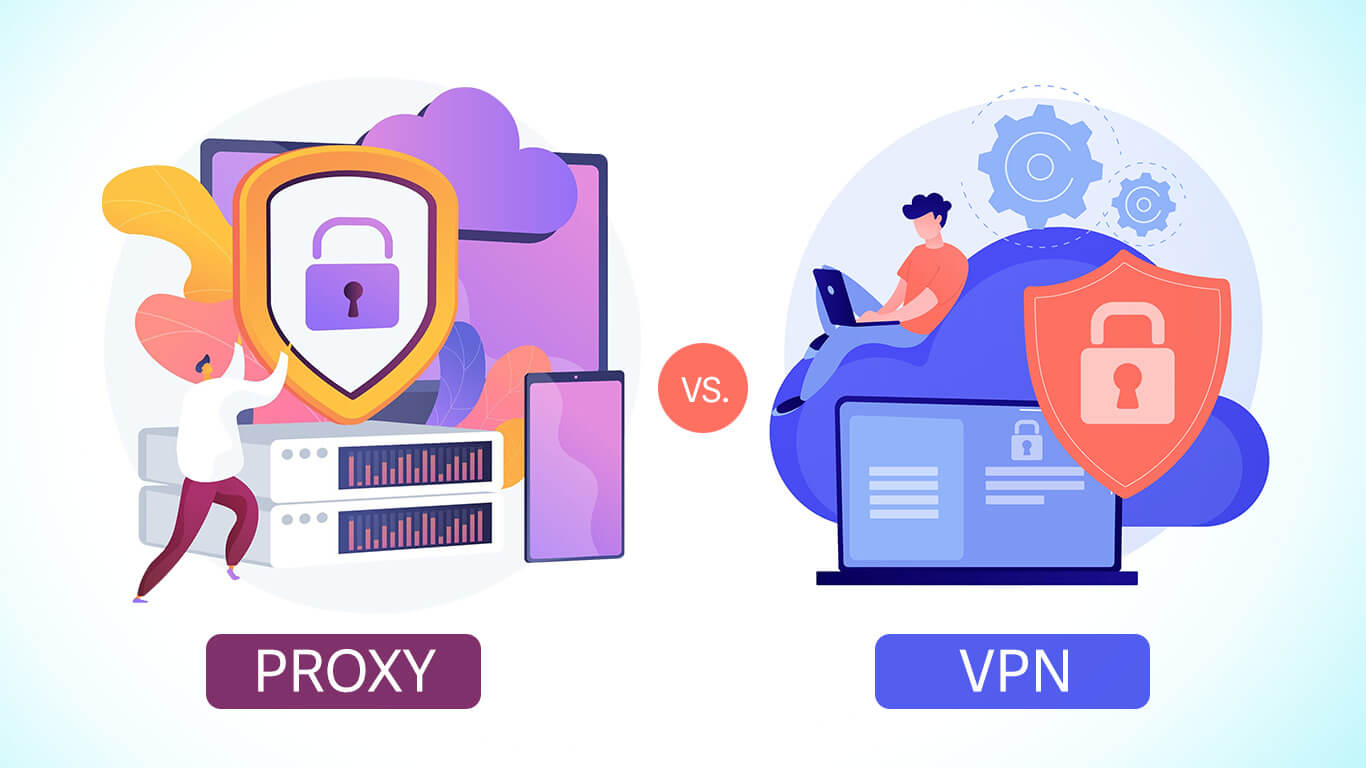
Online privacy is a hot topic again. Between AI ads that track everything, smart devices that “listen,” and streaming sites that still block shows by region, the internet feels less private than ever.
A recent Surfshark report found that over 1.75 billion people now use a VPN; that’s nearly one in three internet users. More people are realizing they need better ways to protect their online activity and control who sees their data.
If you’ve been comparing proxies and VPNs, you’ve probably wondered which one’s better for you. This guide explains what each one does, how they’re different, and which option makes more sense for your daily internet use in 2025.
What a Proxy Actually Does
A proxy server sits between you and the website you visit. It hides your real IP address and reroutes your internet traffic through another location.
People often use proxies to access blocked sites, check regional prices, or get around restrictions at work or school.
For example, say you want to visit a site that’s unavailable in your country. Connecting through a proxy lets you see it as if you were browsing from somewhere else.
However, proxies don’t encrypt your data. That means your internet provider, the website, or even the proxy service itself could still see your activity. Many free proxies also slow you down or insert ads, not ideal for regular browsing.
In short, proxies are handy for quick access, but they don’t offer real protection.
What a VPN Does and Why It’s Popular in 2025
A VPN, short for Virtual Private Network, takes privacy a step further. Instead of just hiding your IP address, it encrypts your entire connection. Everything you do online, browsing, streaming, or using apps, travels through a secure tunnel.
VPNs have become more popular in 2025 for a few big reasons:
- Remote work and public Wi-Fi use keep growing.
- Streaming platforms are stricter about region locks.
- Online tracking and data collection are harder to avoid.
Modern VPNs are much easier to use than they used to be. Most come with one-click protection, clean interfaces, and features like ad blocking, tracker prevention, and malware alerts.
So, is a VPN a proxy? Not exactly. Both hide your IP, but only a VPN encrypts your connection and keeps your entire device protected. That’s the main difference between proxy vs VPN, one focuses on location masking, while the other ensures full security.
Key Differences Between Proxy and VPN
| Feature | Proxy | VPN |
| IP Masking | ✅ Yes | ✅ Yes |
| Encryption | ❌ No | ✅ Yes |
| Covers Apps | ❌ Browser only | ✅ Whole device |
| Speed | ⚡ Faster (less secure) | ⚙️ Slightly slower (more private) |
| Cost | Often free | Usually paid |
| Privacy Level | Low | High |
When you compare a proxy server vs VPN, the biggest difference is security. A proxy only hides your location, while a VPN hides your identity and encrypts your data.
If you’re using public Wi-Fi, entering passwords, or making online purchases, a VPN gives you stronger protection and peace of mind.
When a proxy makes more sense than a VPN
Short answer: use a proxy when you only need to change or rotate an IP for a single app or task and you do not require full traffic encryption. If you want privacy, device wide protection, or to hide everything on public Wi Fi, a VPN is still the obvious choice.
Use a proxy when
- You need a single app to appear from another location. Want your browser or a scraper to use a different IP without touching the rest of your machine? Proxy it.
- Speed matters more than secrecy. Proxies add less overhead than a VPN and can be faster for simple tasks.
- You must rotate IPs at scale. Web scraping, ad verification and automated testing often need many addresses. Proxies are built for that.
- You want to circumvent basic geo locks for non sensitive tasks. Streaming region checks or testing geo content are typical proxy use cases.
- You are troubleshooting or testing network behavior. Proxies let you isolate traffic per application for easier debugging.
When a VPN is the right call
- You use public Wi Fi a lot. VPNs put a mask on all traffic and protect against snooping.
- You need privacy or anonymity across the whole device. VPN covers every app and background service.
- You are doing file sharing or sensitive work.
- You want DNS leak protection and consistent routing. VPNs are designed for that.
Quick checklist
- Need single app IP change and speed? Proxy.
- Need full device encryption and privacy? VPN.
- Need both? Use them together carefully. Route only the traffic that needs the proxy through the proxy and let the VPN handle the rest, or run a proxy inside a VPN for layered control.
Bottom line: proxies are surgical tools for specific tasks. VPNs are broader security tools. Use the right tool for the problem and stop pretending one size fits all.

AI now powers 80% of ransomware attacks, making them faster, stealthier, and harder to stop. Learn what this means and how to protect yourself today.
Privacy concerns online have never been higher, and for many people, VPNs feel like the go-to solution. They promise anonymity, protection from snooping ISPs, and freedom from surveillance.