
Criminal Identity Theft: The Threat You Wouldn’t See Coming
Why Criminal Identity Theft Matters Today
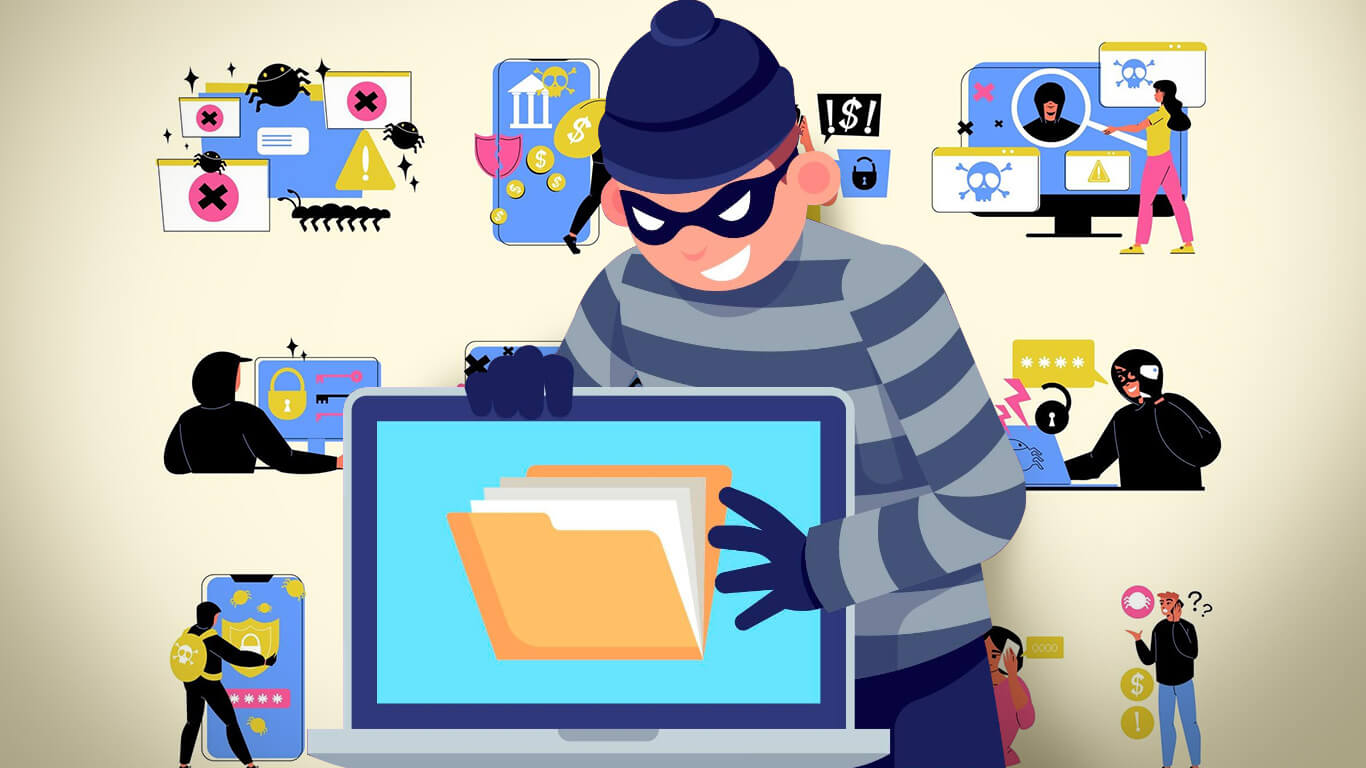
Criminal identity theft is the 2026 headache nobody asked for. The problem extends past stolen money or credit card misuse. It’s about someone using your name to commit crimes while you’re busy living your life.
What’s driving it? A mix of technology and carelessness. AI deepfakes can now create fake IDs and documents that look painfully real. Your daily reliance on digital wallets, smart devices, and online IDs adds to the problem. Data breaches and leaks happen almost every week, so it is safe to assume your data is already circulating in underground markets. Welcome to 2026, where staying alert is basically a courtesy,and not enough to protect you.
What Criminal Identity Theft Actually Means
Criminal identity theft and financial identity theft are very different, though the distinction hardly matters since both manage to ruin your day in spectacular ways. One empties your bank account, the other can turn your life upside down. It can pull you into legal trouble, damage your reputation, or even put you in handcuffs for crimes you did not commit.
Here’s how it can play out:
- Someone gets pulled over, gives the officer your name, and never pays the ticket. Suddenly, you’ve got a warrant.
- A scammer uses your identity to pass a background check, gets hired, and commits fraud at work.
- You find fake police reports or court records tied to your name.
It’s the kind of problem that affects more than your finances, it follows you everywhere. Imagine trying to explain to a new employer or a border agent why your record says you have a criminal past you didn’t earn.
How Criminal Identity Theft Happens
Most of the time, criminal identity theft hides behind little red flags you might brush off.
Signs to watch for in 2026:
- Background checks showing offenses you’ve never heard of.
- Errors in your public or government records.
- Unexpected notifications, fines, or court summons.
- Job, rental, or license denials because of a “criminal record.”
- Strange calls or mail from lawyers or collection agencies.
These signs often trace back to how we use the internet. The habits that make life convenient also make us vulnerable:
- Posting personal details like your full name or birthday online.
- Using public Wi-Fi without protection.
- Linking dozens of apps to your smart devices or digital ID.
Every “allow access” button you click can open a new door for someone who wants to pretend to be you.
Why You’re More Vulnerable Than You Think
Your identity exists all over the internet, from old sign-ups to the apps you still use. Each one is a tiny piece of a puzzle that criminals can put together.
Here are some of the most common spots your data can leak from:
- Government e-ID systems
- Banking and digital wallet apps
- Social media and dating platforms
- Job portals and freelance sites
- Cloud storage and online shopping
- Healthcare and insurance portals
- Delivery, ride-hailing, or streaming apps
- Smart home devices and voice assistants
- Lost or stolen phones, tablets, or laptops
Criminals don’t need all your information at once. They collect bits and pieces, an address here, a birth date there, until they can create a full identity that passes as you.
How Criminals Get a New Identity
Criminals in 2026 are done guessing passwords, they’re using advanced methods that combine tech and manipulation.
Data breaches
Hackers target companies with weak security or outdated systems to steal massive databases of personal info. Names, addresses, IDs, and Social Security numbers get sold online, often before anyone realizes what happened.
AI-generated deepfakes
AI now makes fake IDs, selfies, and even video calls look real. Scammers use these to trick facial recognition systems or pass ID checks without ever meeting anyone in person.
Social engineering
Scammers often pose as friends, colleagues, or officials to build trust. They’ll connect with you on social media, chat for days or weeks, and then ask for “a quick favor” that involves your personal info.
Phishing attacks
Fake bank alerts, delivery texts, or “account verification” emails are all designed to make you panic and click. Once you do, your passwords or ID numbers go straight into the wrong hands.
Even small things, like sharing your pet’s name or a selfie, can help them build a more believable fake version of you.
Steps to Protect Yourself
You can’t bubble-wrap your online safety, but you can be smarter about it. Here’s how:
- Credit monitoring. It is the quiet kind of tech and service that keeps you from waking up to a credit card you never opened, a loan you never requested, and a credit score that suddenly makes no sense.
- Search your name regularly. Check court, police, and public databases or set Google Alerts, to catch red flags early.
- Check your digital IDs. Log in to government portals and make sure your details haven’t been changed.
- Turn on activity alerts. Get instant notifications from your bank or wallet app for any suspicious moves.
- Don’t reuse verification photos. Upload a fresh selfie for each app or platform.
- Use a separate email for official accounts. Keep banking and government accounts away from your everyday inbox.
- Review app permissions. Remove access from apps that don’t need your contacts, camera, or location.
- Shred old documents. Get rid of expired IDs or statements properly instead of tossing them in the trash.
Use Identity Theft Protection Tools
Modern identity protection tools can track your credit reports, criminal records, and even scan the dark web for your data. They send real-time alerts if something suspicious appears, like a new warrant or unknown account, and guide you on how to fix it fast.
While tools help, smart habits still make a difference.
A Prevention Mindset for 2026
You can’t stop every data leak but staying ready significantly reduces the chances of being a victim. Awareness is your first line of defense.
- Keep up with new scam tactics and security updates.
- Use multi-factor authentication wherever possible.
- Treat every new message or link with caution.
- Combine protective tools with strong habits, because one without the other isn’t enough.
Your Best Defense Against Criminal Identity Theft
Criminal identity theft is serious, but it is something you can handle if you stay smart and use the right tools. Guard your personal information, keep your accounts tidy, and treat anything unusual as a warning sign.
It is far easier to get a ping from an ID protection app than to explain to an officer why a warrant shows up under your name. Stay alert, protect your privacy, and make sure the only version of you online is the one you actually control.
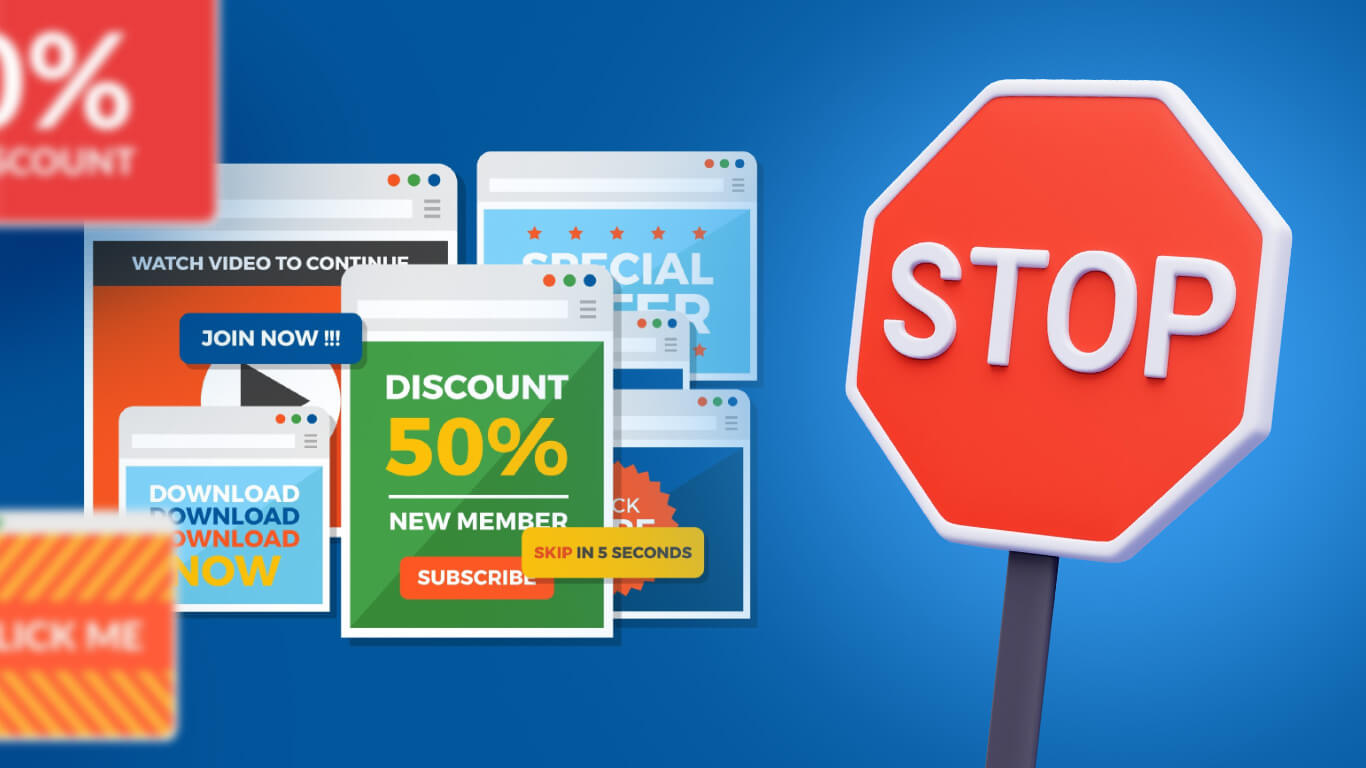
Even in 2025, pop-up ads remain one of the biggest online annoyances. You’re watching a video, reading an article, or checking out a product, and suddenly, your screen gets hijacked by a flashing discount, fake alert, or subscription prompt.
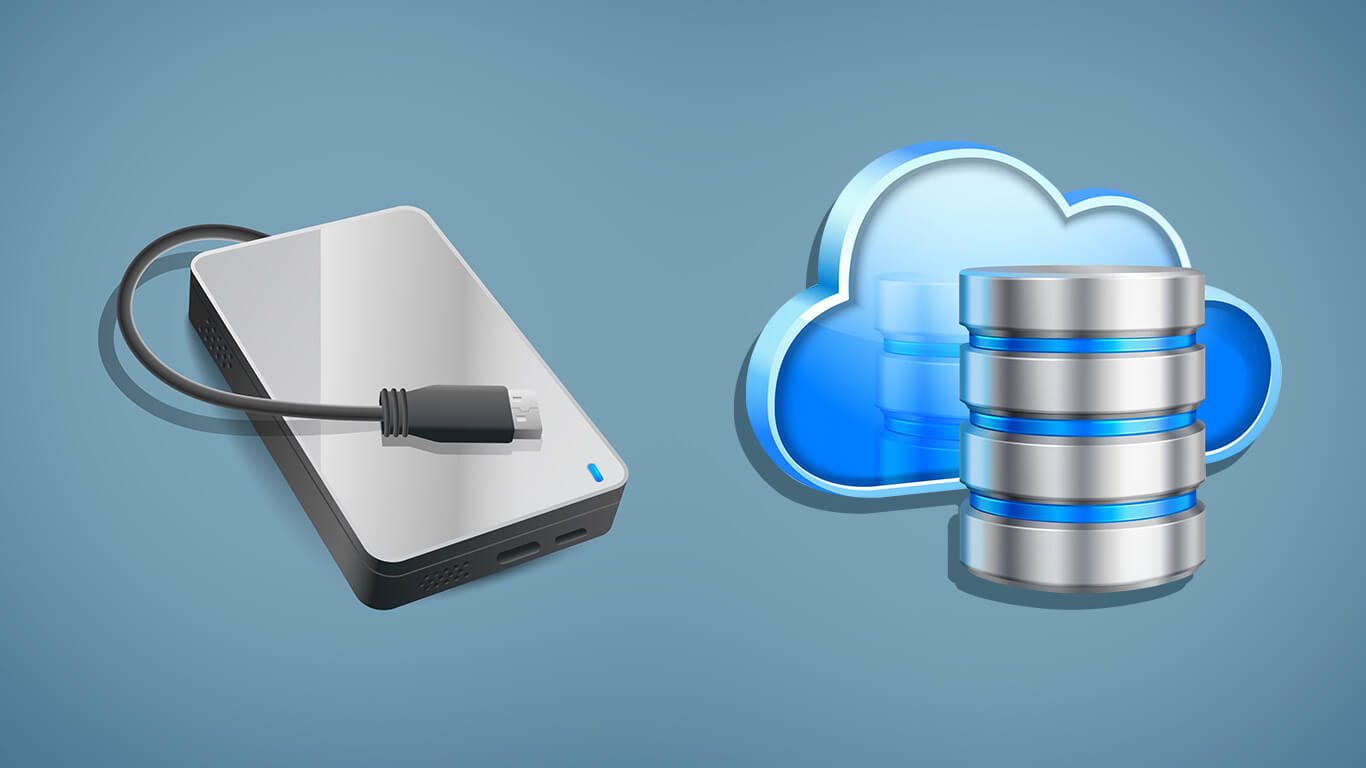
In 2025, our choice between the best cloud storage and hard drives goes beyond file storage, it influences how you work, collaborate, and safeguard your digital life.