
Employment Identity Theft Is Real, Here’s What You Need to Know
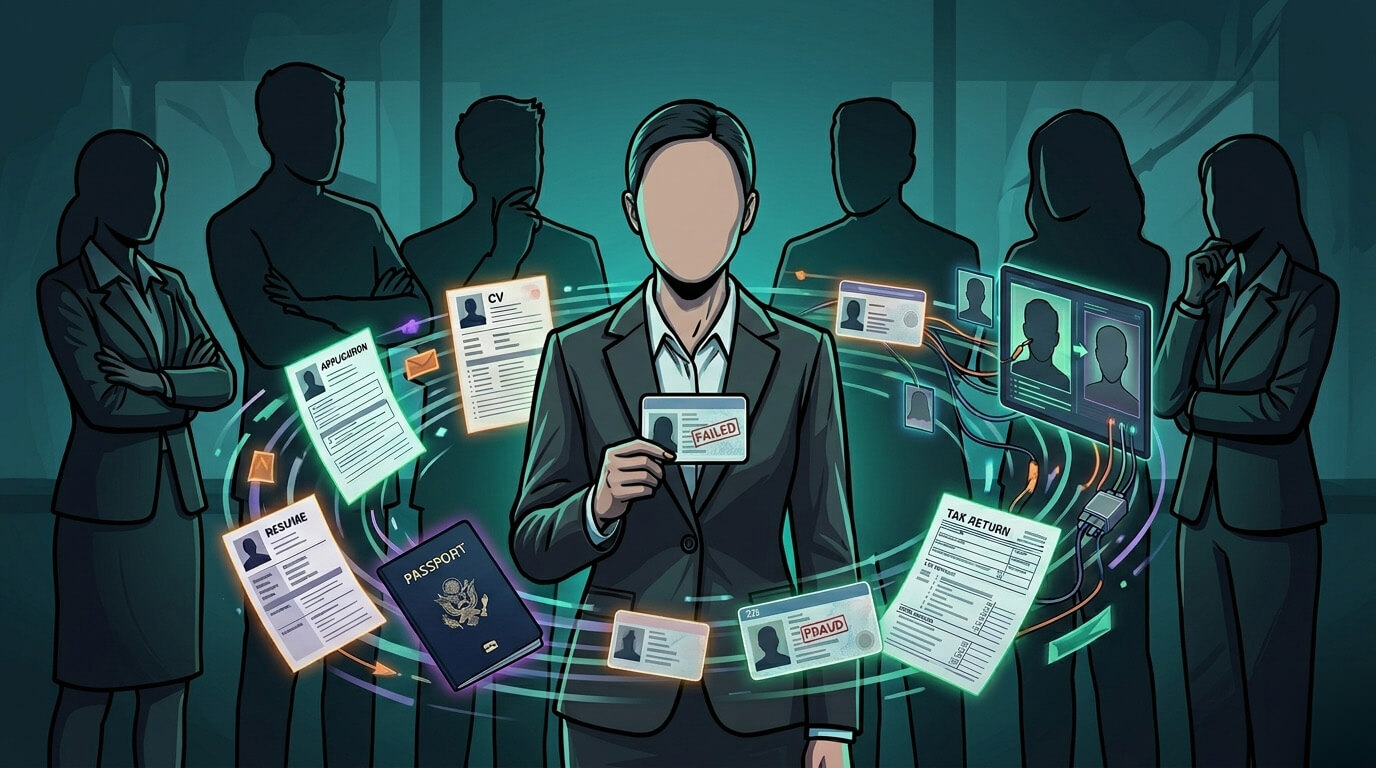
Employment identity theft happens when someone uses another person’s personal information, such as a Social Security number or tax ID, to get a job or pass employment background checks.
Most people worry about hackers draining their bank accounts, not someone clocking in at a job under their name. But that’s the reality now. Online hiring, freelance platforms, and gig apps made everything easier for you, and unfortunately easier for scammers too. A recent study from the FTC showed a steady rise in employment-related identity theft reports over the last few years, with cases climbing as remote work, digital onboarding, and online contractor platforms expanded. The more job stuff happens online, the more chances scammers get to blend in. That’s why you need to understand what’s going on and how it affects your taxes, your records, and your peace of mind.
Why Someone Would Use Your Identity for Employment
The description is somewhat straightforward but the next question pops up fast: why would anyone even do this in the first place? The simple answer is that your personal details help them bypass personal problems they can’t fix or can no longer be fixed.
Here’s how it plays out in the real world:
No legal work authorization
Some people lack the legal right to work in a given country. Borrowing someone else’s identity gets them through hiring checks they’d never pass on their own.
Avoiding background checks
When someone has a rough history, criminal records, past job issues, or anything that would get them rejected, they use another identity to get a clean start.
Skipping taxes or debts
Working under your name helps them avoid paying taxes, child support, or debt tied to their real identity. You end up receiving the tax forms. They enjoy the paycheck.
Getting access to benefits
A few scammers want job perks like health insurance or retirement contributions that they wouldn’t get otherwise.
Faking work history
Some people use a stolen identity to build employment records. Later, they use that “experience” to qualify for higher-paying roles.
Hiding from law enforcement
If they’re in trouble, getting a job under someone else’s identity helps them stay unnoticed.
Selling stolen data
Others collect personal details and sell them to people who need them for any of the reasons above.
Most hiring processes today run on automation. Applications go through digital portals, verification happens through online tools, and very few humans review anything in real time. Scammers understand that better than most. They move through the gaps quietly, and the first sign something went wrong rarely comes from the system that let them through. It comes from an IRS letter, a pay stub from a stranger’s employer, or a record that makes no sense sitting under your name.
Signs Someone Might Be Using Your Identity for Work
You don’t need to be paranoid, but you do need to pay attention to anything that feels off. Sometimes it shows up in your life through a single letter or email.
Look for signs like:
- Tax forms or pay stubs from companies you’ve never interacted with
- Denied tax refunds because “you already worked enough” somewhere you never worked
- New or unexplained entries in your credit report
- IRS notices about income from unknown jobs
- Debt collectors calling about wages you didn’t earn
- New additions to your Social Security earnings record
- Employers contacting you about background check issues that don’t add up
- Trouble getting loans because your employment history suddenly looks different
Anything that makes you go “Wait… what?” is a sign you should check deeper.
What You Should Do If It Happens
Once you figure out someone’s using your identity for work, don’t wait. Employment identity theft isn’t something you can ignore until later. It affects taxes, credit, and government records, and those things pile up fast.
Here’s your action plan:
Report it to the IRS
They handle employment-related identity misuse and can flag your account for protection.
Tell your employer, if it involves them
They need to review the payroll records and remove false entries.
File a police report
It supports your case if you need to dispute debts, taxes, or credit issues.
Place a fraud alert with major credit bureaus
This makes it harder for anyone to use your identity again.
Contact the companies where the fake employment happened
Ask them to remove the fraudulent records and verify future documents under your name carefully.
Notify the Social Security Administration
If someone uses your SSN, it can affect your lifetime earnings record.
Consider speaking with an identity theft lawyer
If things get complicated or different agencies start pulling you in different directions, a lawyer helps you sort everything out.
Monitor your credit and employment records
If your employment record is involved, your credit will not wait very long to follow the mess.
This isn’t fun to deal with, but taking action quickly gives you better control of the situation.
How to Protect Yourself Before Anything Happens
If you’re trying to figure out how to prevent employment identity theft, here are steps that actually help you avoid problems before they start. None of these take long, and they save you from a massive headache later.
Share your SSN or tax ID only through secure platforms
Official company portals, verified hiring systems, or HR platforms, nothing else.
Research job listings
Fake job posts are still common. Check the company site, social pages, reviews, and job boards before sharing anything.
Verify recruiter messages
A quick search saves you from sending your details to someone pretending to hire for a real company.
Use strong, unique passwords on job sites
You don’t want your resume portal hacked because it shares the same password as your social media.
Avoid emailing documents like your passport or W-2
Use official upload links only.
Try identity monitoring tools
These tools alert you if someone attempts to use your info for employment, loans, or benefits.
Review your Social Security earnings record
It updates every year. If you see work history that isn’t yours, take action.
Check your credit report often
Do this at least once a year, twice if you’re extra cautious.
Keep copies of job-related documents
It’s easier to track where your information went.
Avoid job applications over public Wi-Fi
If you must, use a secure connection or a VPN.
These steps build a strong wall around your personal information. Even if someone tries to use your identity, you’re more likely to catch it early.
Take Charge of Your Work Identity
Employment identity theft can shake up your finances, your taxes, and even your future job opportunities. You may not feel the impact right away, but it hits hard once the IRS or a loan officer starts asking questions.
Knowing what employment identity theft is, spotting the early signs, and taking simple steps to protect your info keeps you ahead of scammers. You don’t need to live in fear, you just need to stay aware. Your work identity matters, and keeping it safe is now part of everyday digital life.
CISA’s Secure by Design faces an uncertain future as leadership exits, industry pushback, and political shifts raise questions about its role in software security.

Data now fuels almost every move a business makes, from daily tasks to client work and team coordination. That is why storing it the right way matters more than ever. Relying on local devices might feel handy and easy, but it slows everyone down and raises the chance of losing files when they end up […]