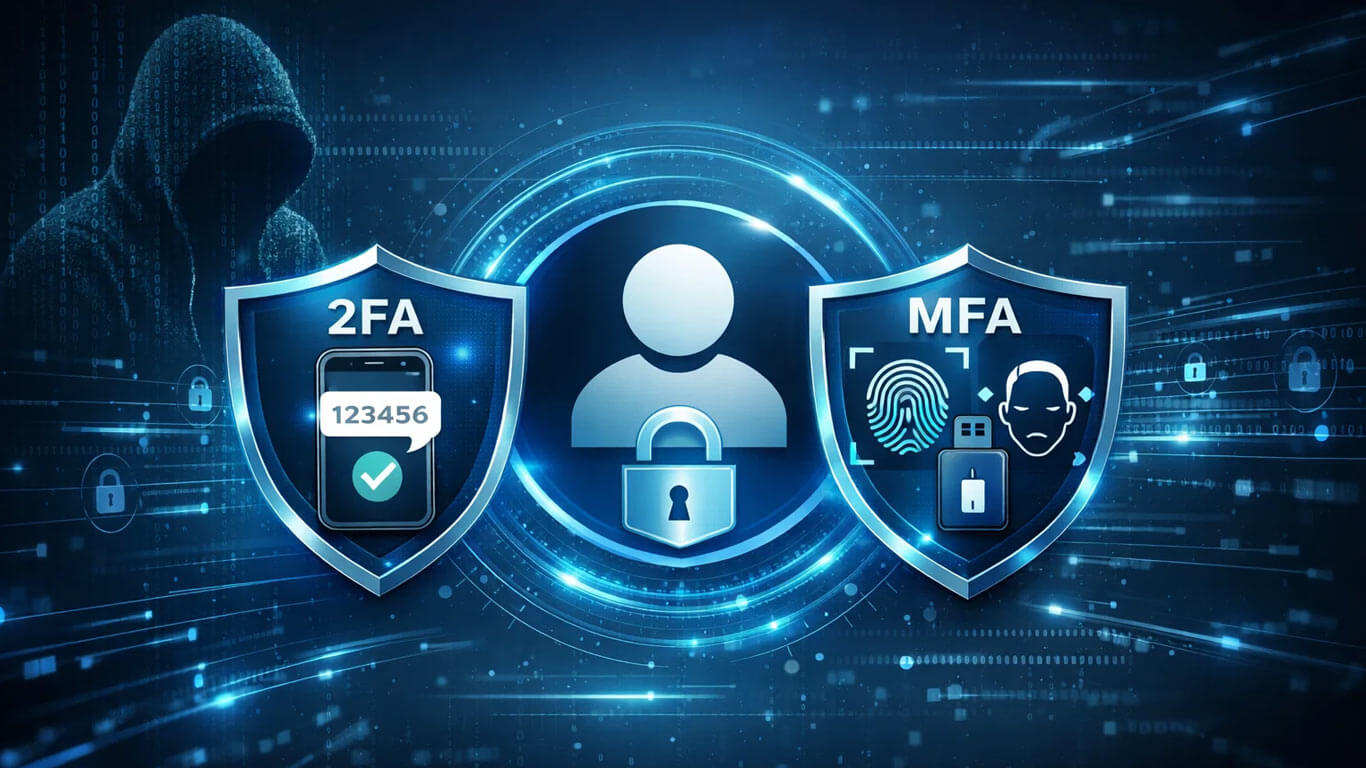
Let’s be honest: you’ve probably been told that 2FA (Two-Factor Authentication) is the secret sauce to keeping your accounts safe. Enable it, and, abracadabra!, no hacker can get in.

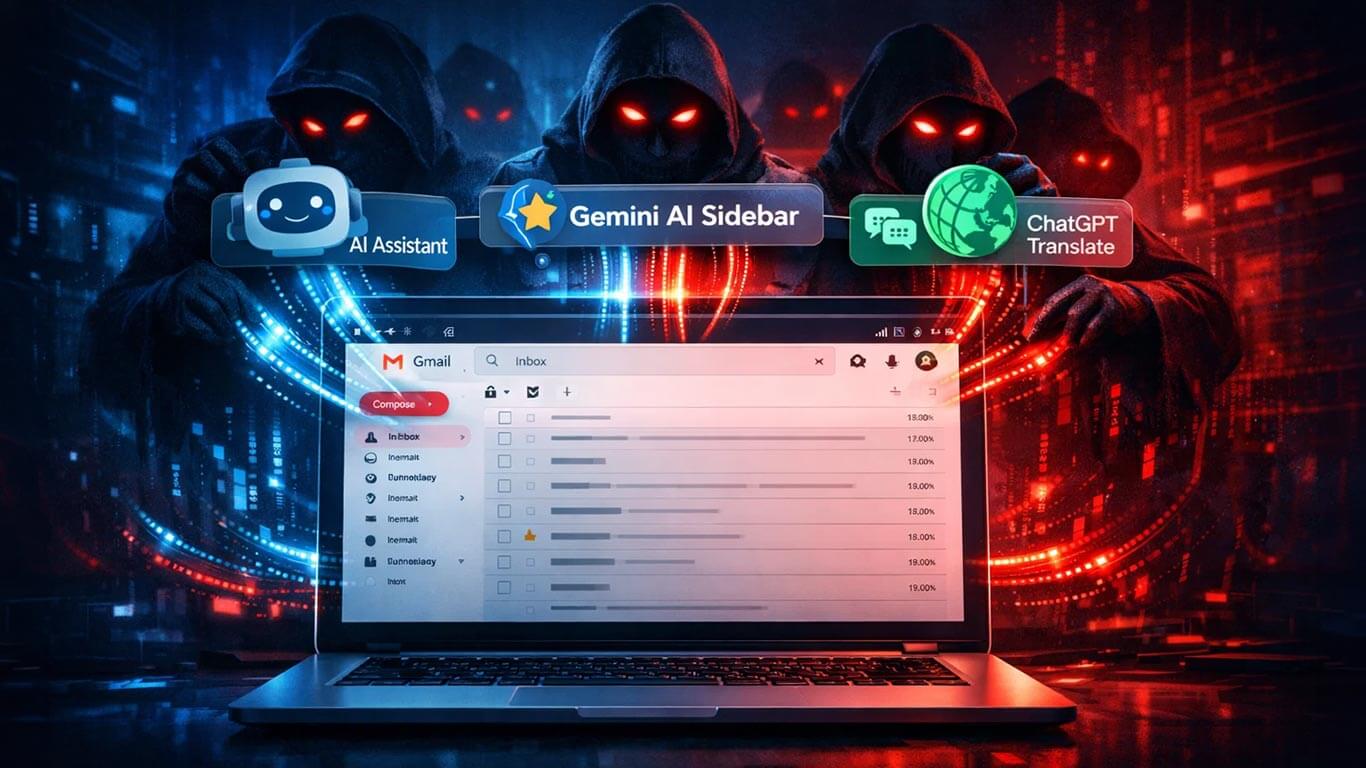
Malicious Chrome extensions disguised as AI productivity tools have reportedly affected more than 300,000 users, quietly accessing Gmail inboxes, drafts, and attachments.
Passwordless authentication is catching on because it makes logging in faster, safer, and way less of a headache. A 2024 NordPass survey …
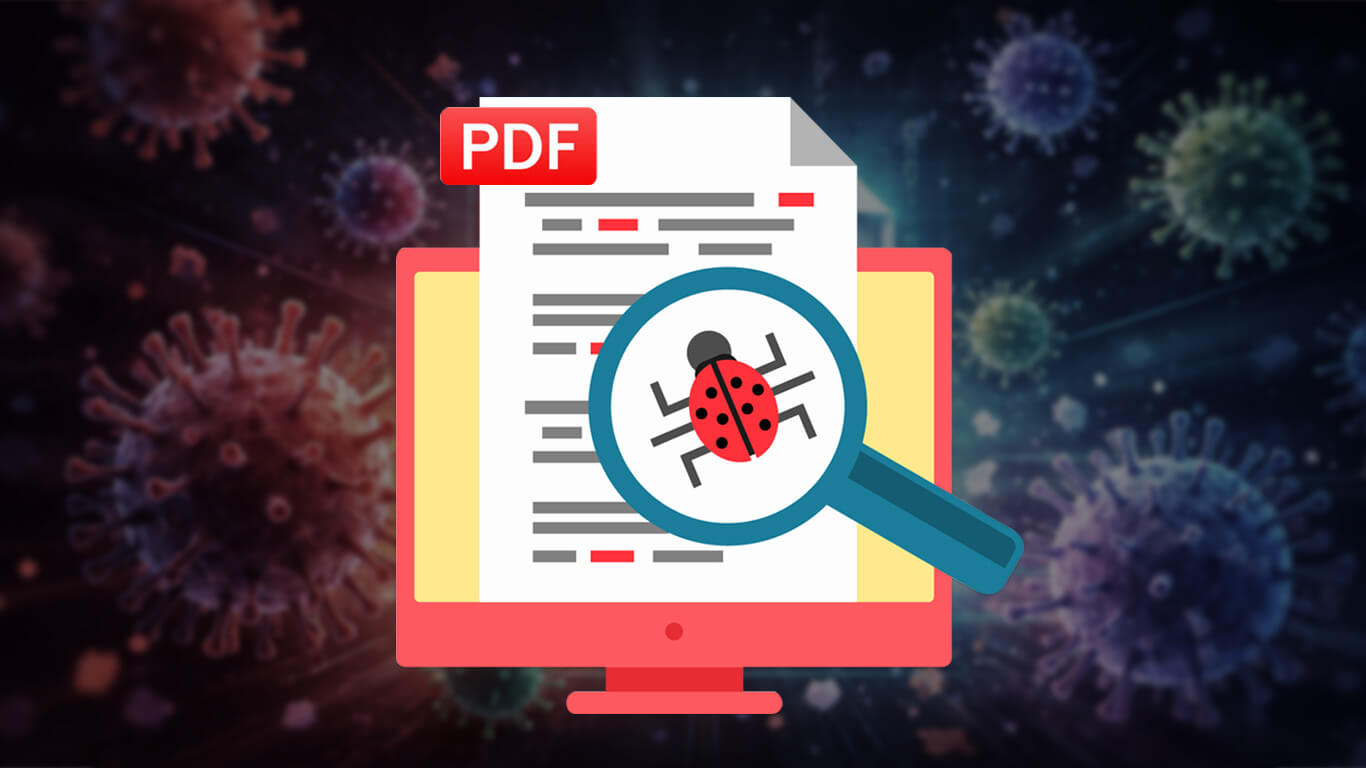
PDFs are everywhere, job applications, e-tickets, school handouts, receipts, contracts, even that random e-book you downloaded and forgot about. You’ve probably opened hundreds, maybe thousands, and most of the time, nothing happens.
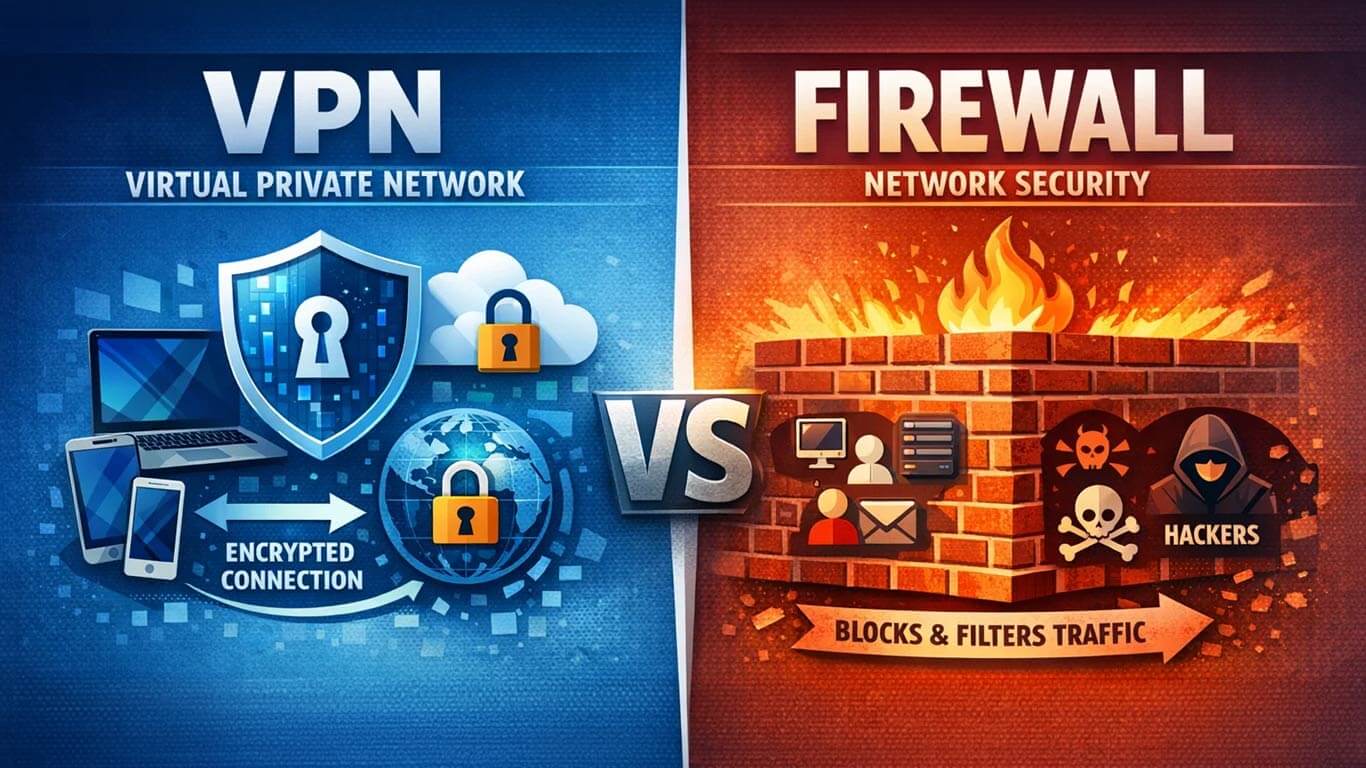
The year is 2026 and the internet feels faster, sharper, and far more observant. Your data moves constantly through apps, websites, smart …
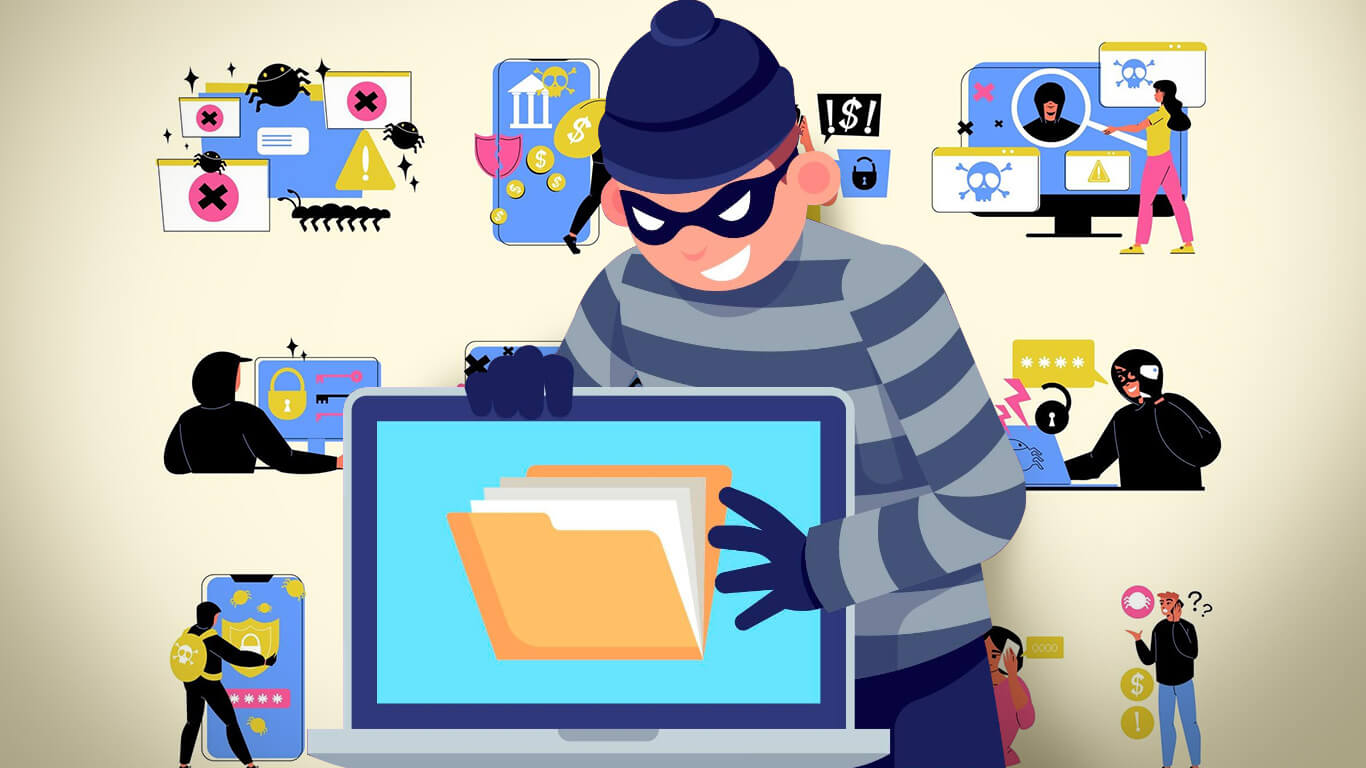
Criminal identity theft is the 2026 headache nobody asked for. The problem extends past stolen money or credit card misuse. It’s about someone using your name to commit crimes while you’re busy living your life.
Ad blockers were once welcome tools for everyday browsing. For a while, they delivered exactly what users expected.

YouTube has turned into the spot most of us head to for entertainment, tutorials, or just catching live content. Millions log in every day, and, well, ads can get in the way.

Spam texts. Ugh. They show up at the worst times, right? That random ping from a number you don’t know, claiming you …
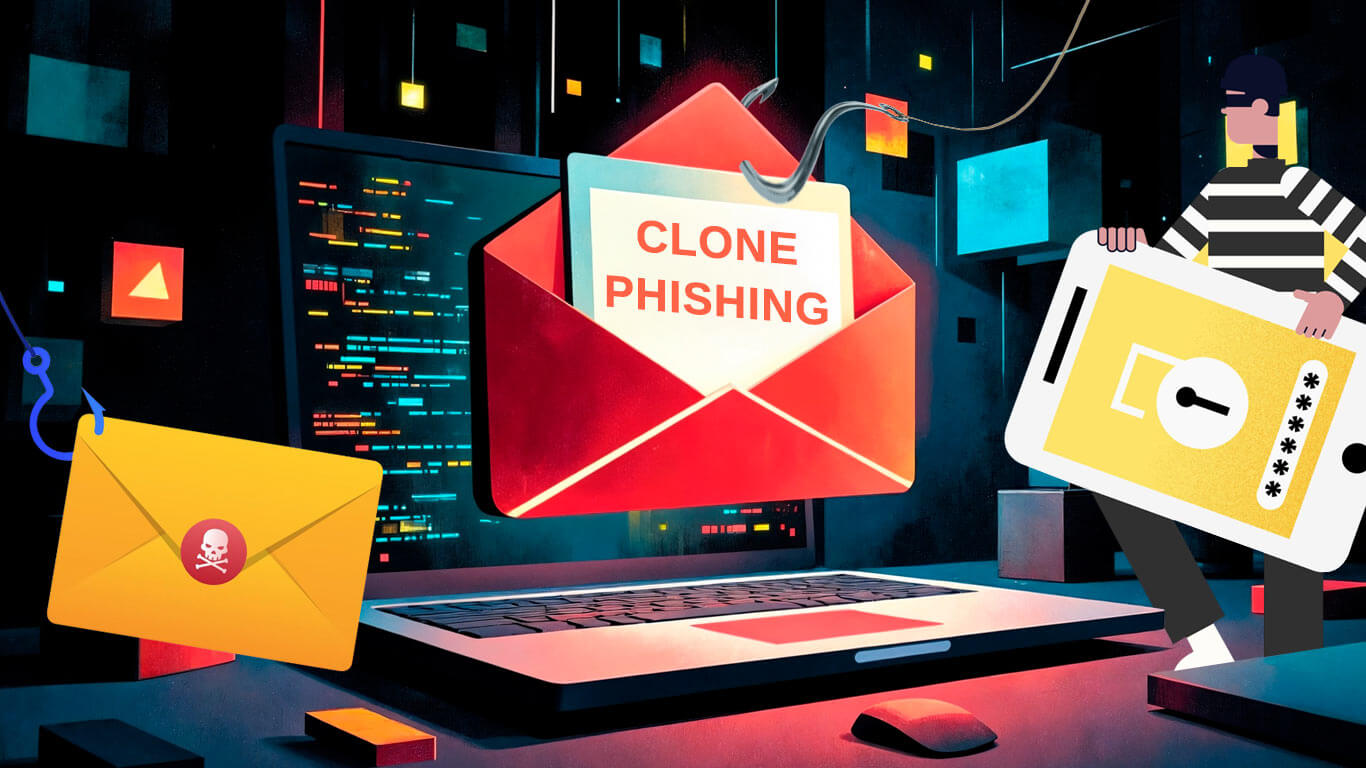
Clone phishing meaning is simple but deadly. Someone takes an email you already trust, copies almost everything in it, and swaps links or attachments with malicious ones.
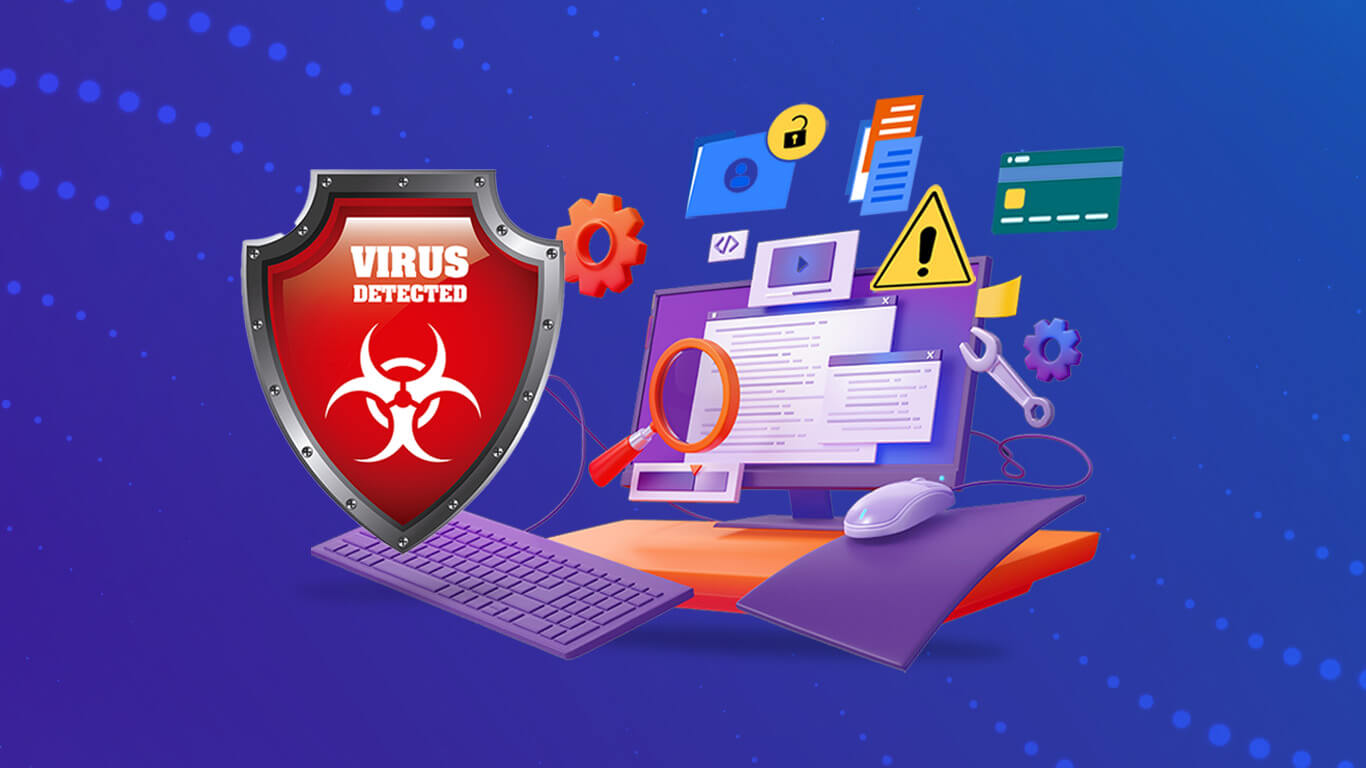
Microsoft’s Windows 10 reaches end-of-life on October 14, 2025. For companies still running it, it’s a turning point that really deserves attention. After that, devices stop receiving security updates, bug fixes, or technical support.
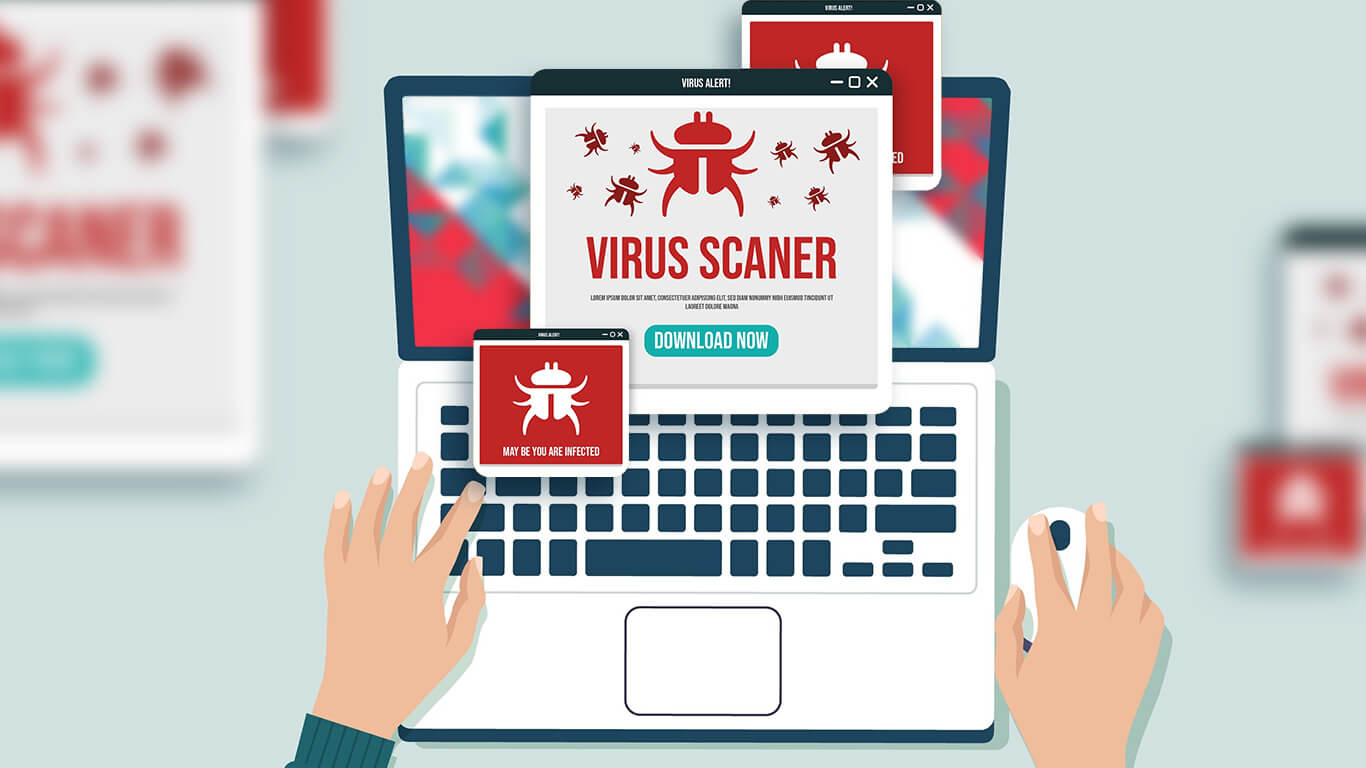
Fake virus warnings are among the oldest internet scams still fooling users. They replicate real antivirus messages to appear trustworthy but lead …
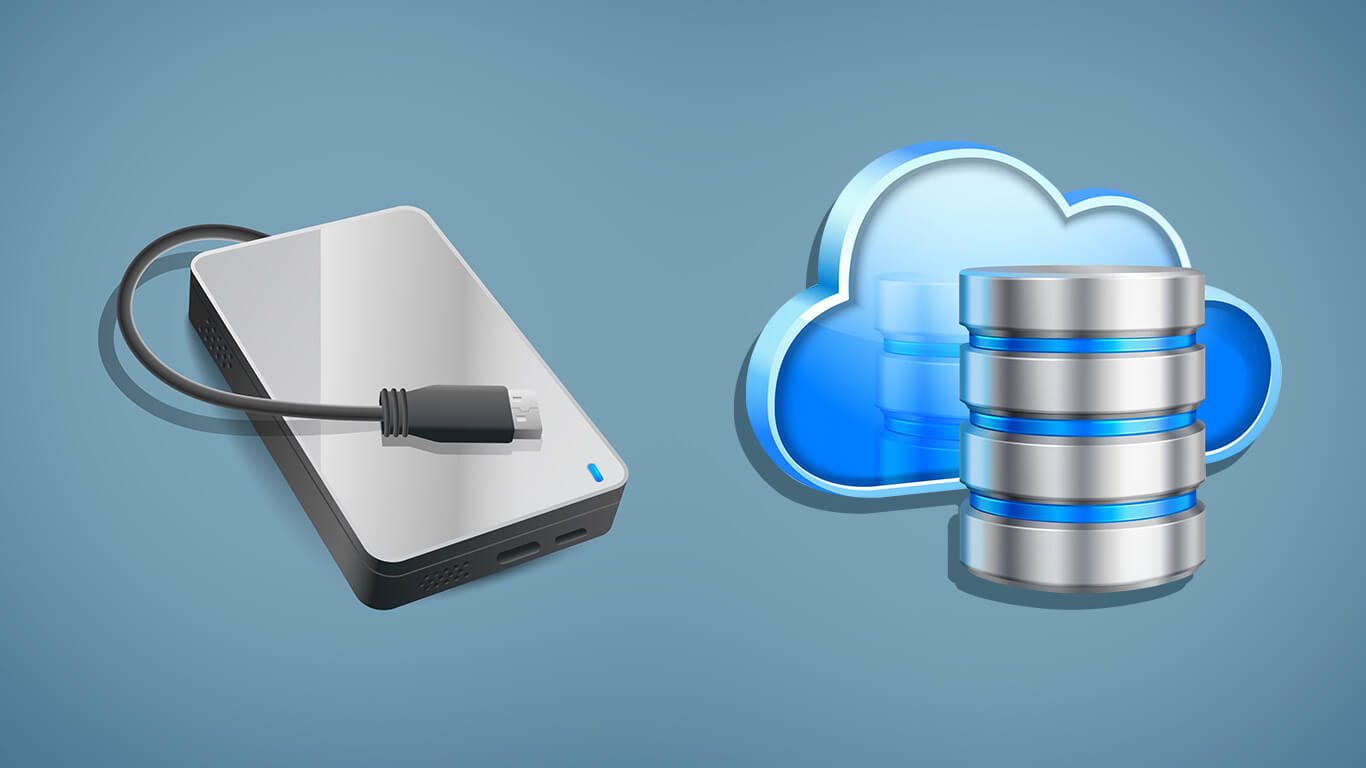
In 2025, our choice between the best cloud storage and hard drives goes beyond file storage, it influences how you work, collaborate, and safeguard your digital life.
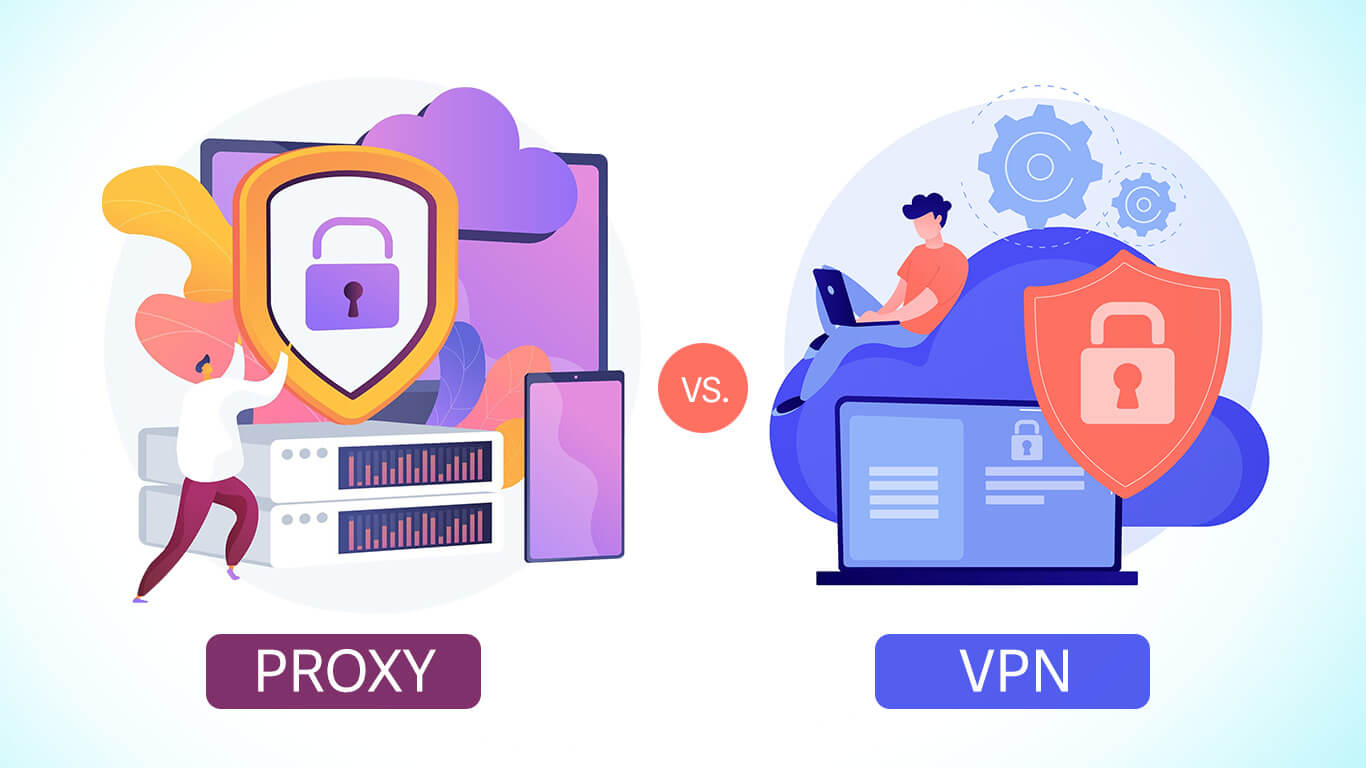
Online privacy is a hot topic again. Between AI ads that track everything, smart devices that “listen,” and streaming sites that still block shows by region, the internet feels less private than ever.
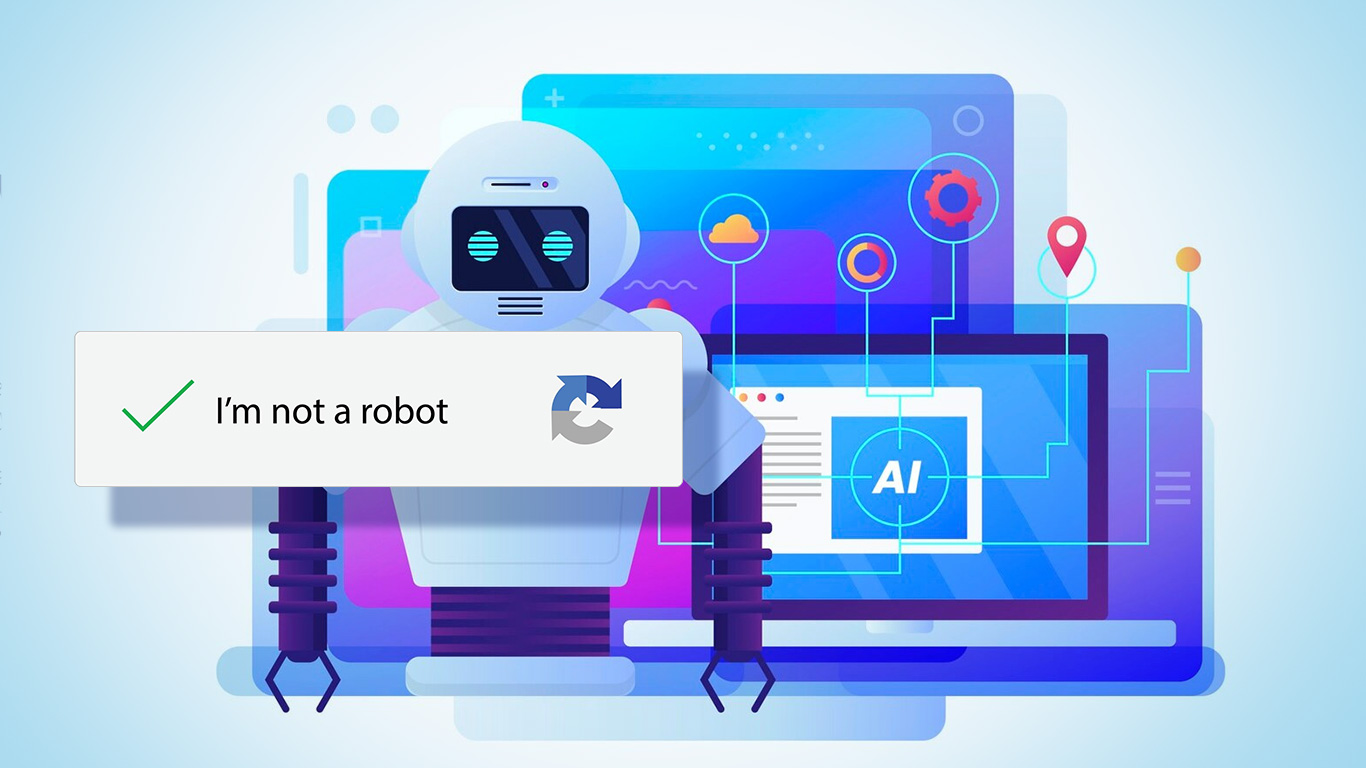
Cybercriminals have a new routine that looks perfectly ordinary: fake CAPTCHA pages. Once a simple test to separate humans from bots, CAPTCHA has quietly turned into a tool for deception.

It’s important to have a good password for your online accounts. It ensures your privacy, important information, and money are protected properly.
Ransomware used to be something only skilled hackers could pull off. Today, cybercriminals can rent ransomware tools the same way you subscribe to Netflix.

Remote work has defined how businesses operate. However, this setup also brings cyber security threats that need to be addressed. One of the main ones is that employees will no longer connect to the company’s own secure WiFi.
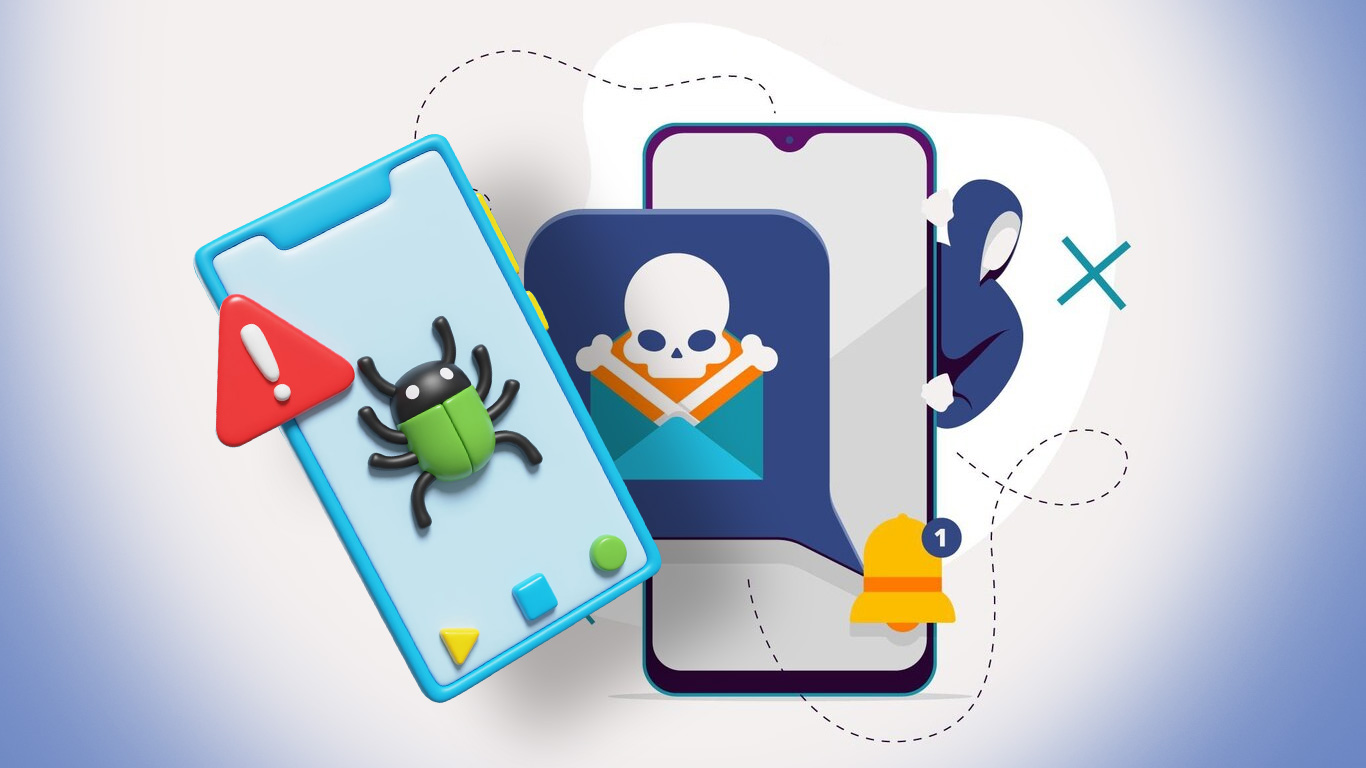
If your phone keeps freezing mid-scroll, crashes out of nowhere, drains battery, or just feels slower than usual, it could be infected. Yes, phones can get viruses, even brand-new ones with the latest updates.
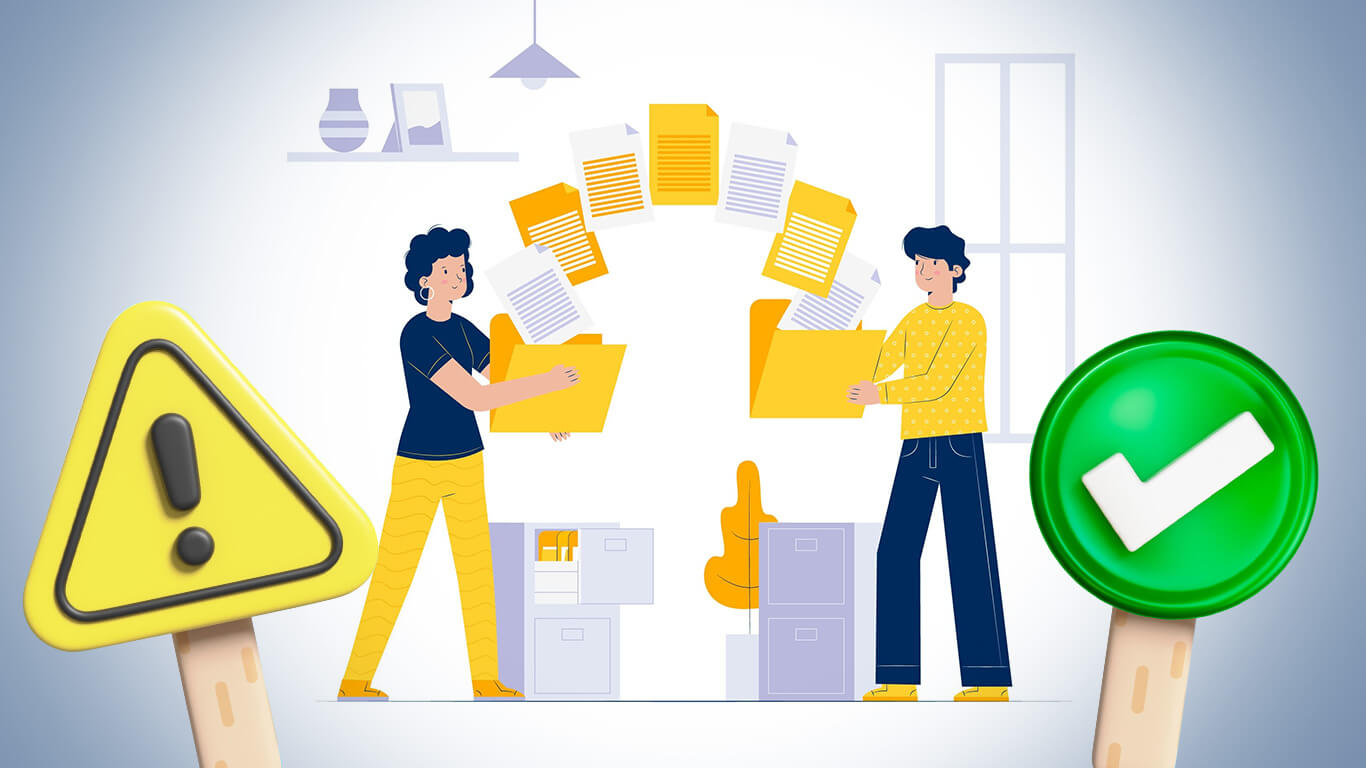
File sharing keeps teams connected and makes work move faster. But file sharing comes with its own security risks that can result in loss of data, malware, and other potential problems
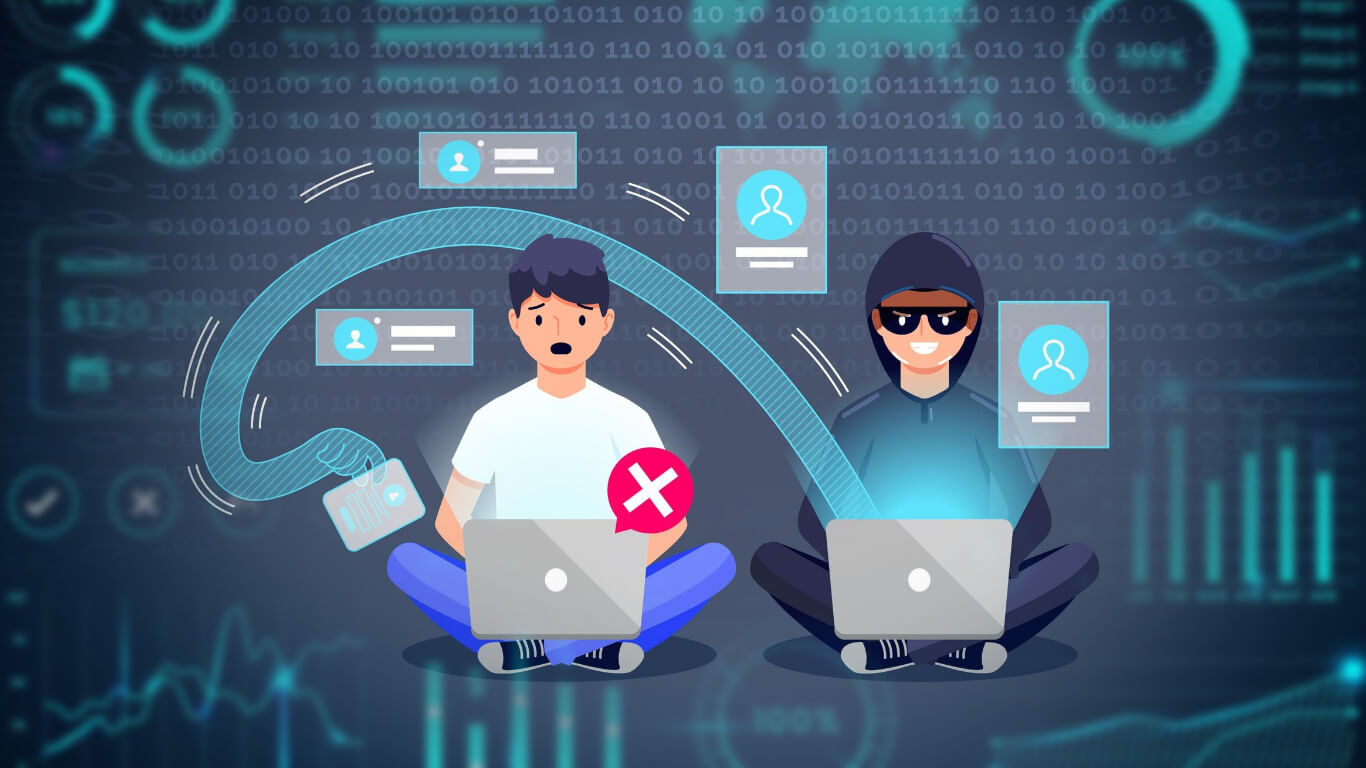
You’ve probably scrolled past headlines about a data breach or a data leak and thought, “That’s for big companies, not me.” Fair enough, but according to a 2025 report from the Identity Theft Resource Center
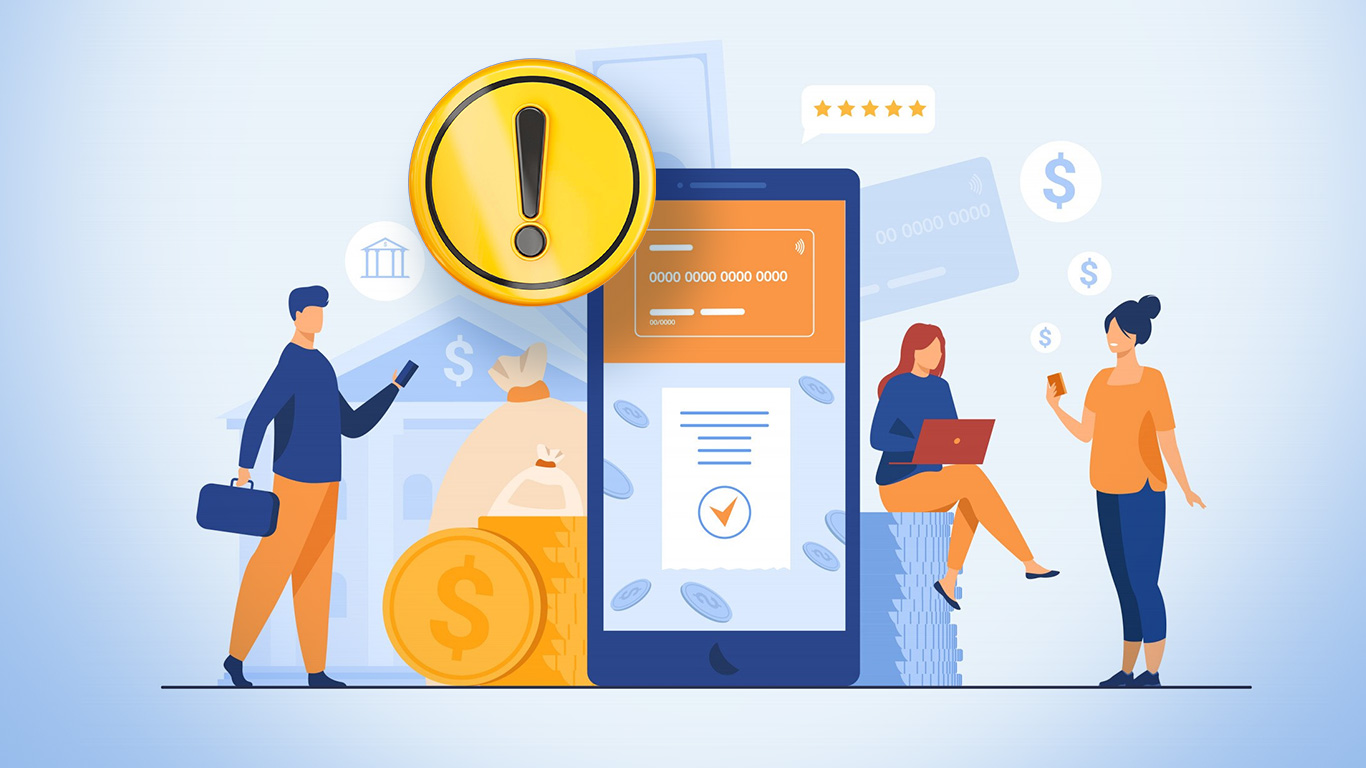
You probably open your banking app more often than you open your front door. You check balances, move cash around, pay bills, maybe even pretend you are a serious investor.
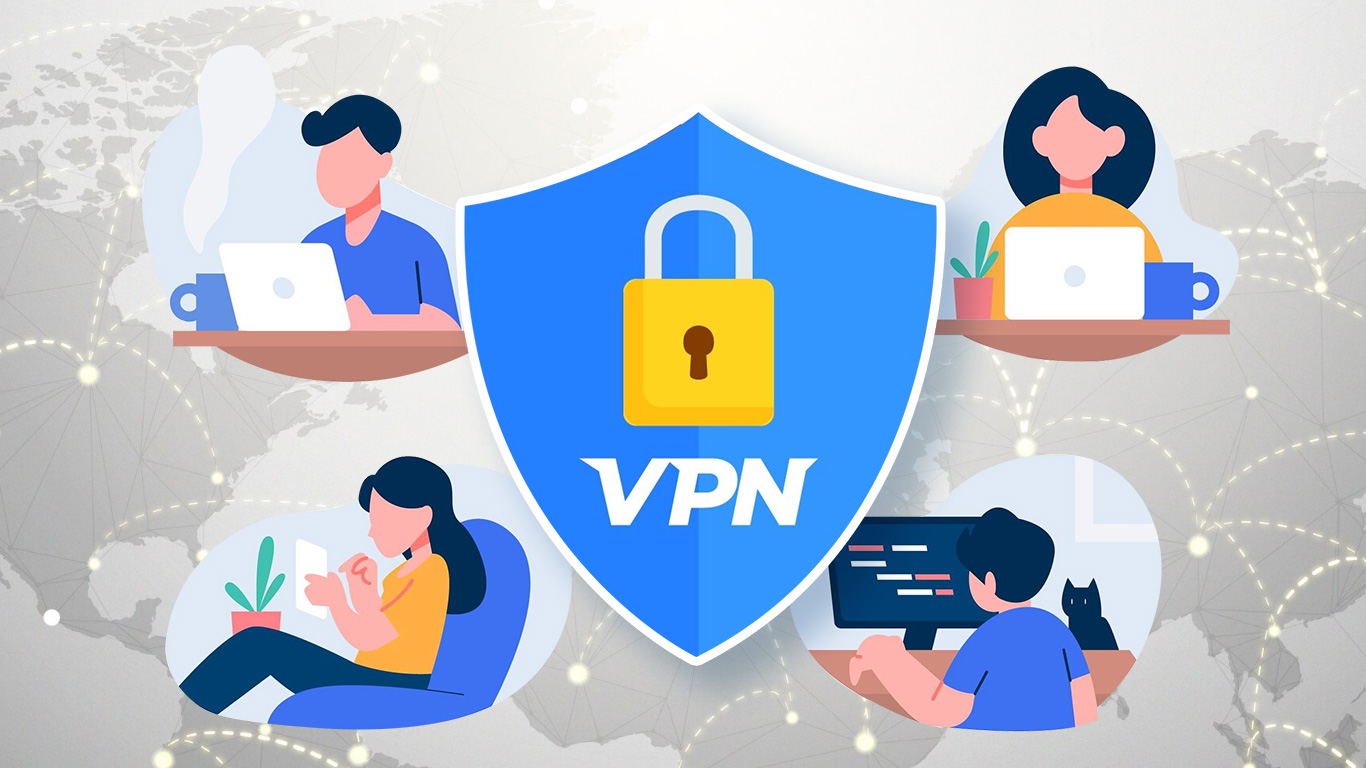
Well, pack it up, Michigan. The right to privacy on the internet is on life support again—and this time, the hit comes from your own lawmakers.
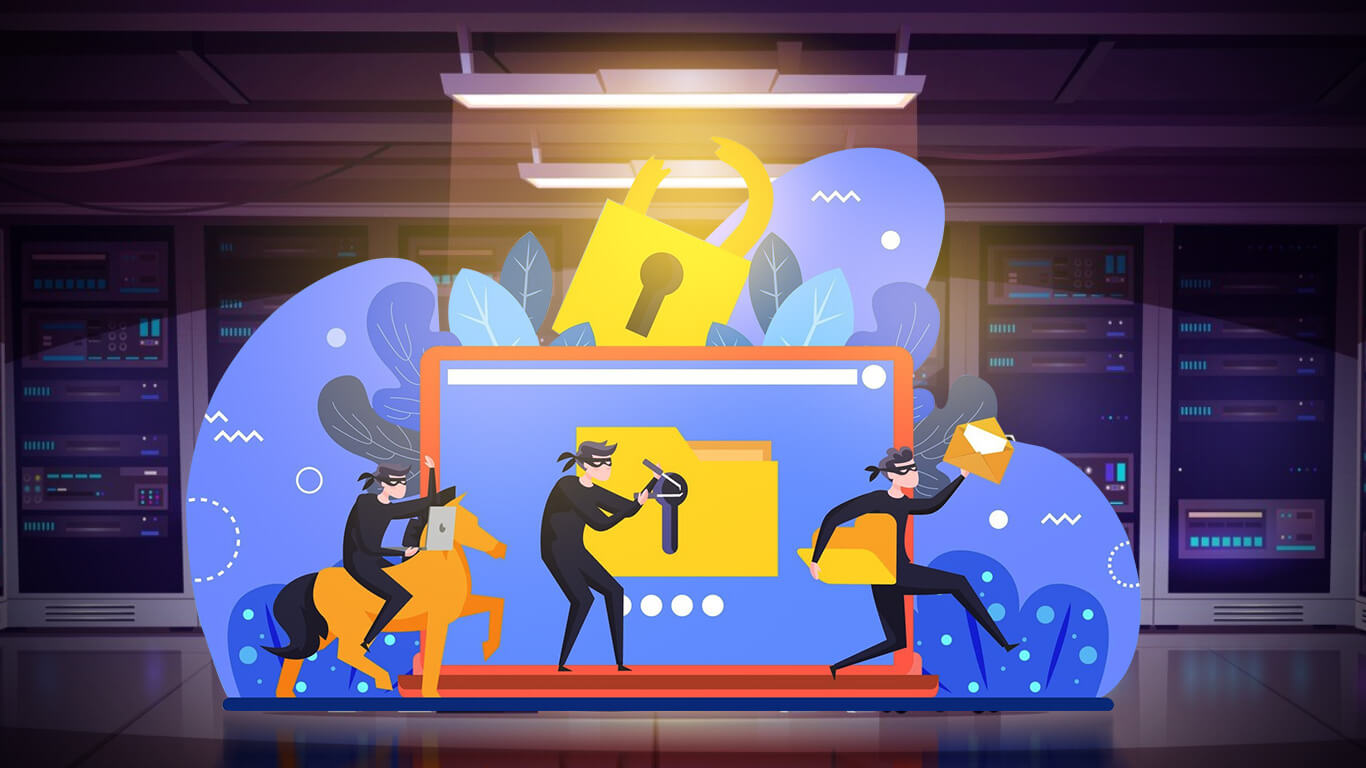
You’re casually watching a video or scrolling through your favorite site when, bam, a bright red pop-up explodes on your screen: “WARNING! Your device is infected! Click here to remove the threat!” Your pulse spikes.
The number of fake and malicious VPNs has grown fast in recent years, with Kaspersky reporting a 2.5× increase in malicious VPN activity during Q3 2024.
AI seems to keep an eye on nearly every click you make, smart gadgets gather bits of information from the quietest corners of your home, data breaches continue to parade across the news, and region blocked shows still act like they are guarding a royal treasure.
Remove adware safely and restore your computer’s speed. Learn how to clean pop-ups, reset browsers, and protect your data from future adware infections.
By 2025, cloud storage is basically part of our daily lives. We store work files, presentations, photos, AI-generated content, and even crypto wallets in the cloud. It’s fast, convenient, and mostly reliable.
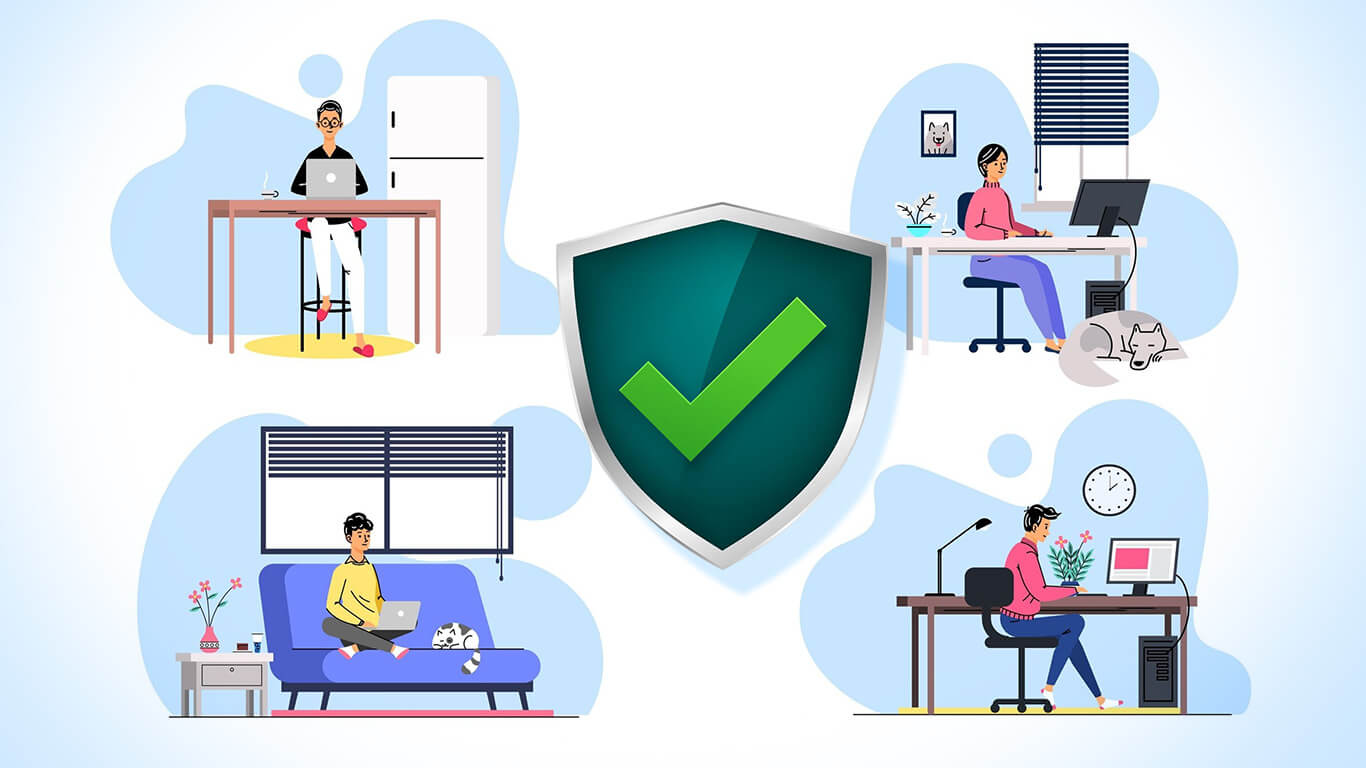
Building a remote team definitely cuts costs compared to running an office with an entire IT staff. The flip side is the risk. You hand out passwords, grant access to your tools, and open the door to company files.
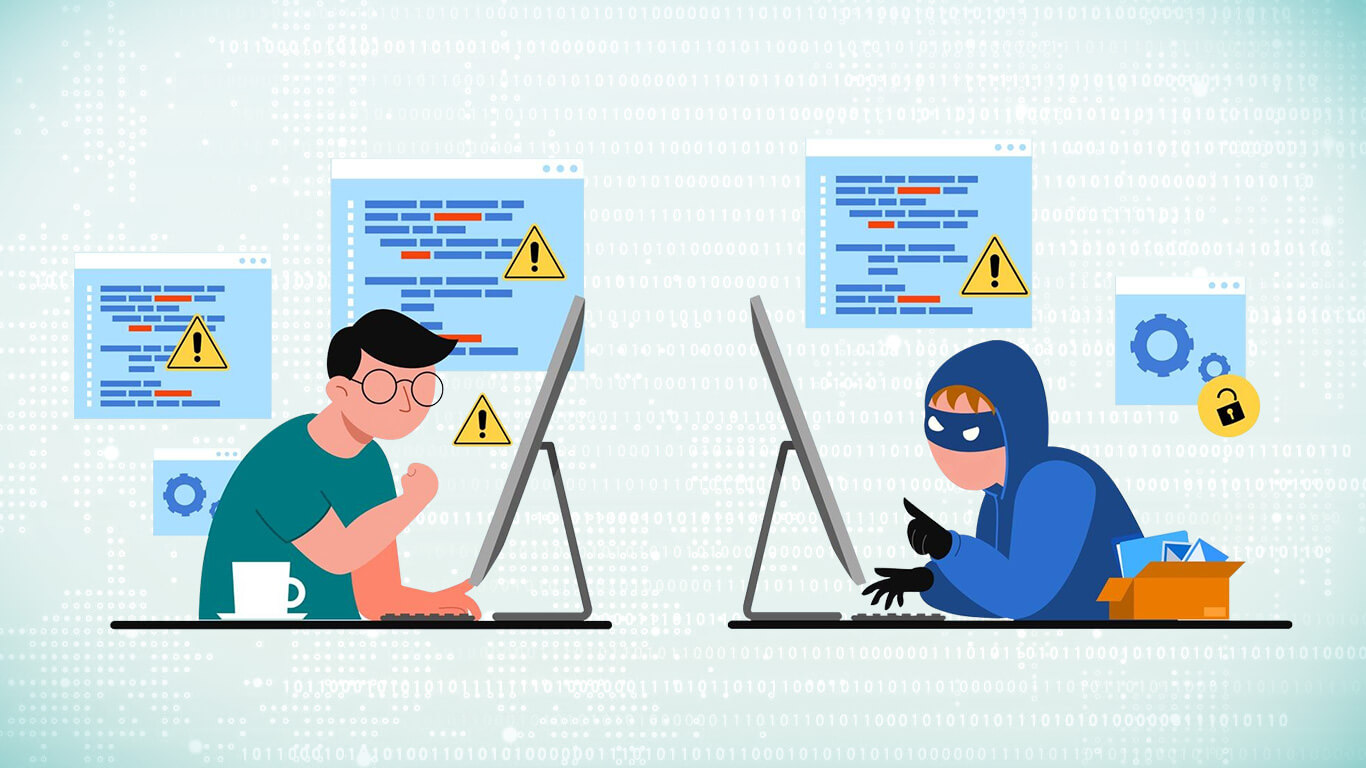
Antivirus software remains one of the most important defenses against cyber threats. Even with new attack methods emerging, modern antivirus programs continue to evolve, adding stronger layers of protection through real-time detection, behavior analysis, and automatic patching.
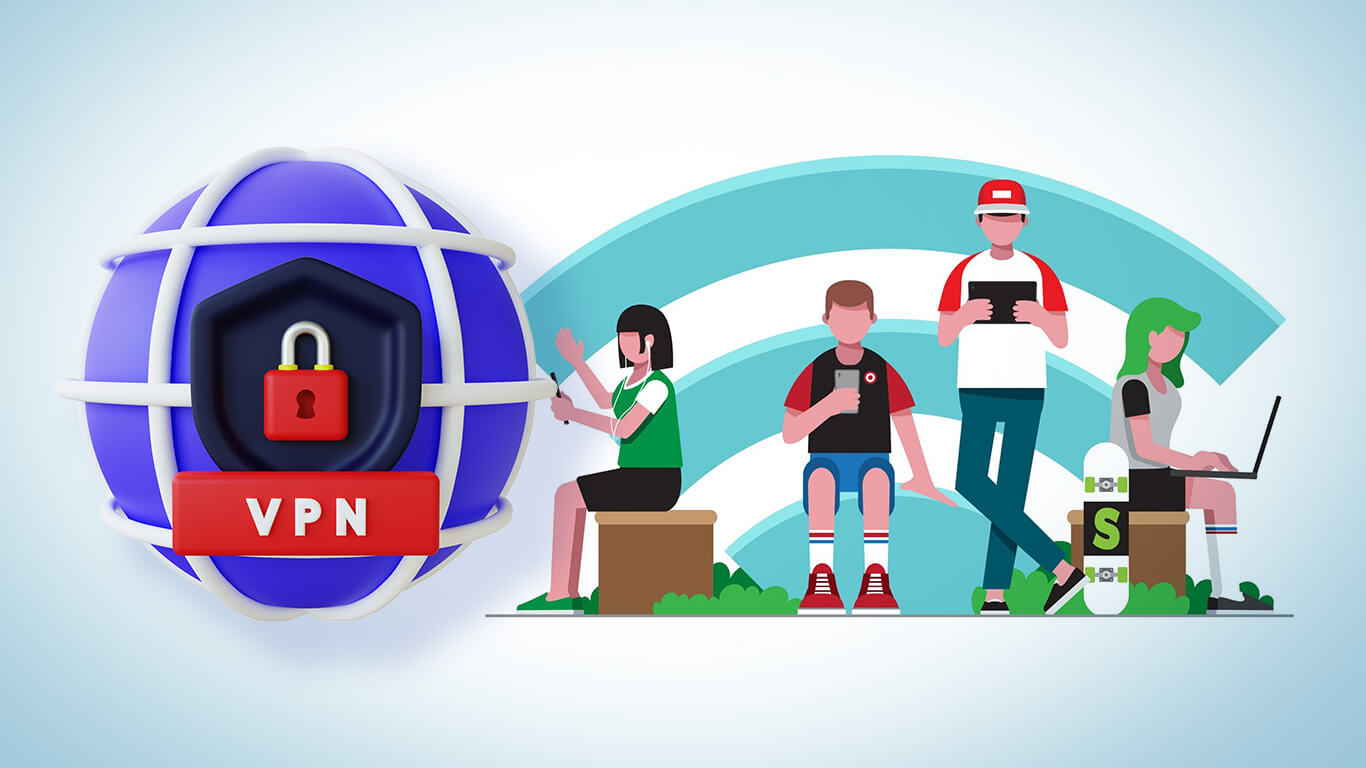
Free Wi-Fi is practically everywhere: cafés, airports, hotels, coworking spaces, and even public transport. It’s fast, easy, and doesn’t eat up your mobile data.
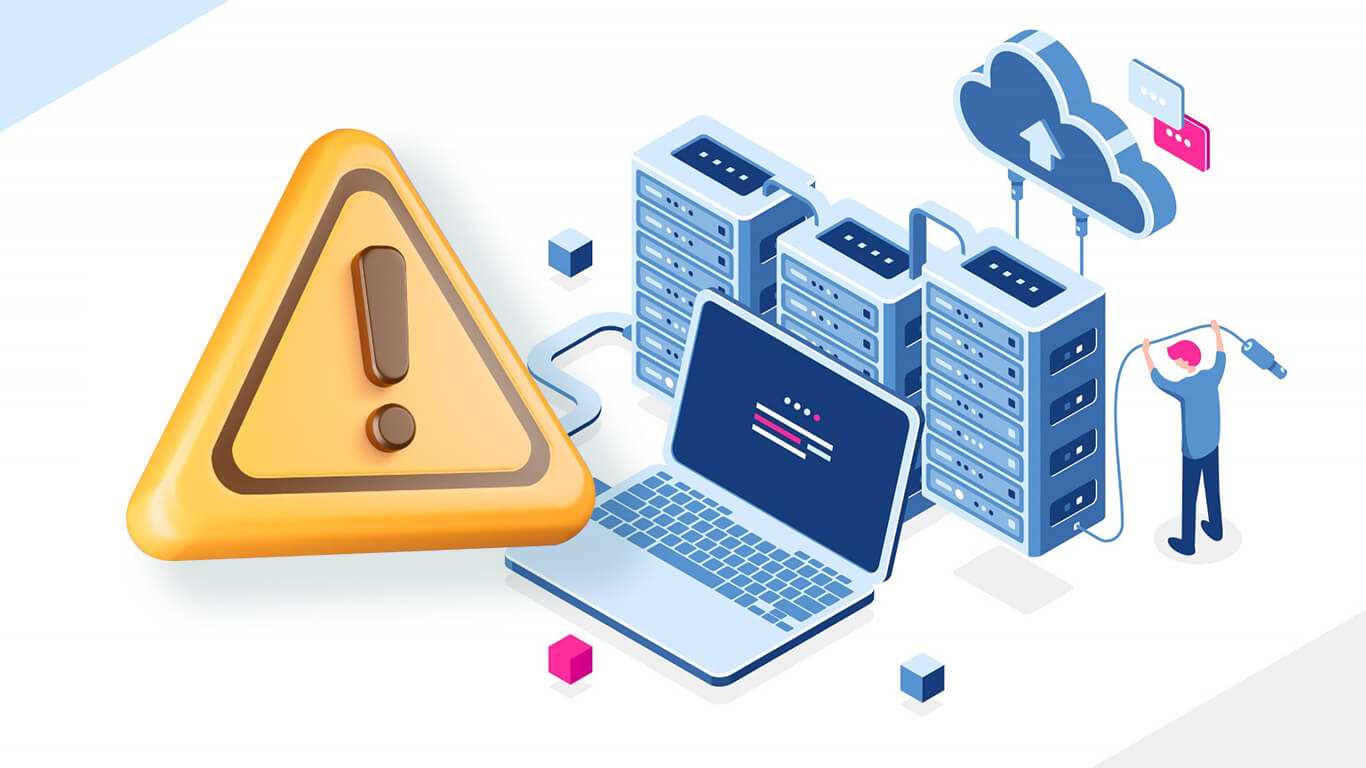
Cloud storage isn’t just for techies anymore, it’s where we dump everything from work files to vacation selfies. It’s convenient, affordable, and works across all your devices.
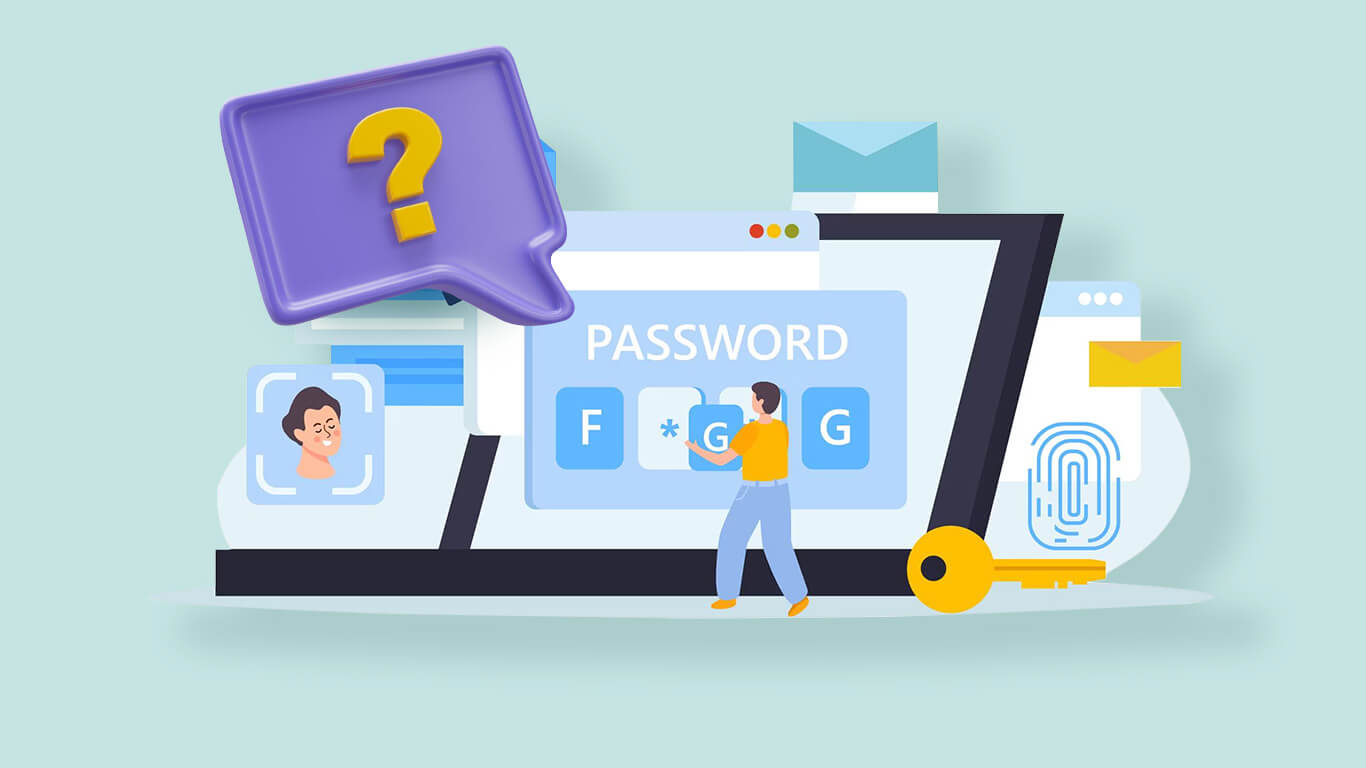
In 2025, password protection matters more than ever. Cybercriminals now use AI-driven phishing schemes and data-mining tools to steal personal information at scale.
Credit monitoring gets dismissed as a dull service that barely moves the needle, which is why most people refuse to spend a …

Even in 2025, pop-up ads remain one of the biggest online annoyances. You’re watching a video, reading an article, or checking out a product, and suddenly, your screen gets hijacked by a flashing discount, fake alert, or subscription prompt.
Cloud storage is the upgrade your files have been waiting for. At some point, we all run out of space for our photos, videos, and random digital stuff.
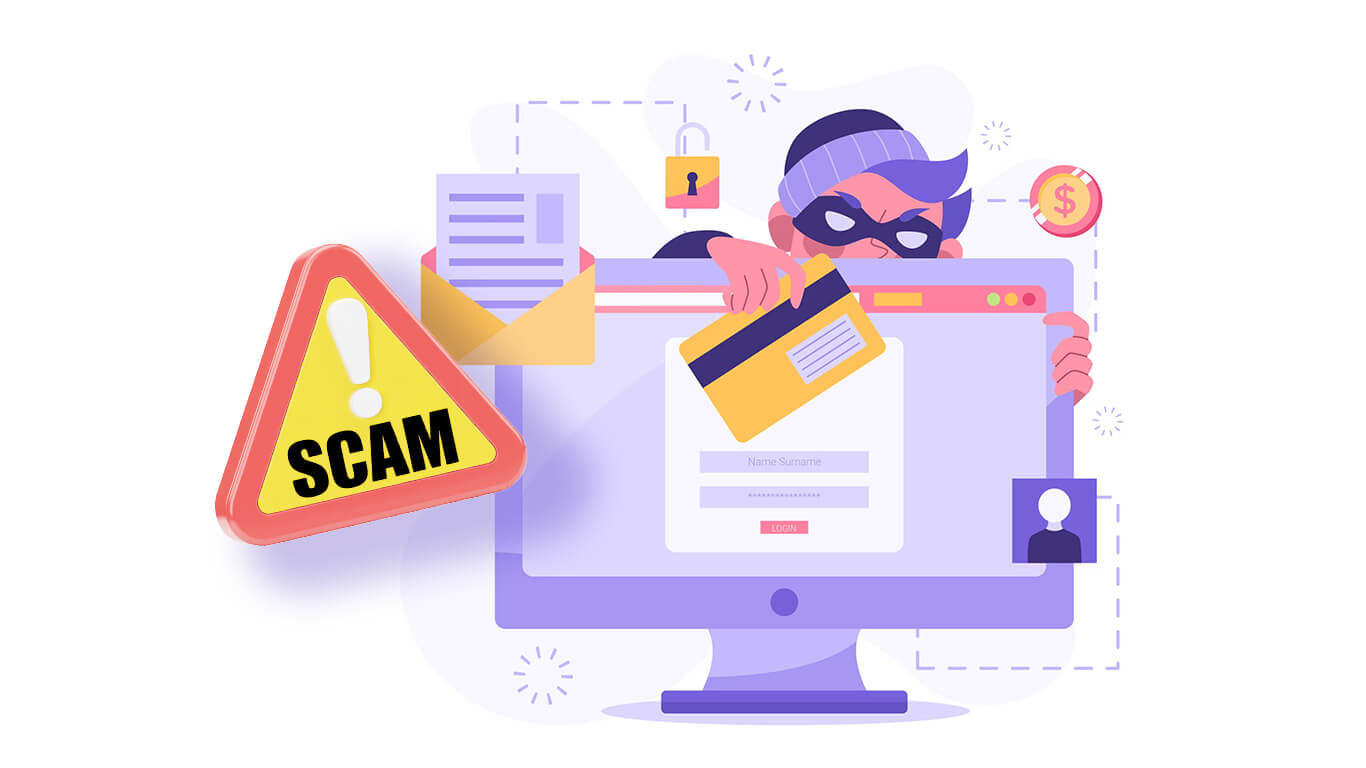
Fake online stores are popping up faster than flash sales and they’re one of the hottest scams of 2025. Avast’s latest threat report shows a jaw-dropping 790% spike in fake e-shop scams just in the first quarter alone.

Telegram is fast, flexible, and packed with features that keep millions hooked. You can chat, join massive groups, and share just about anything with ease. Still, not everyone feels comfortable with how it handles safety and privacy.
Freelancers and small business owners often wonder whether the same antivirus software used at home is enough for professional work.
VPN servers sit at the core of online privacy, performance, and digital freedom. They encrypt your internet traffic, mask your identity, and allow access to content across the globe. A key part of this process is the server address, which tells your device exactly where to connect.

Online gaming keeps growing, but so do the risks and challenges that come with it. Gamers deal with ISP throttling, geo-restricted servers, security threats, and the constant frustration of unstable connections. Many turn to a VPN for gamers to solve these issues.
By 2025, Facebook feels more ad-saturated than ever. Between Reels, suggested products, and sponsored posts, many people feel like their feed is …
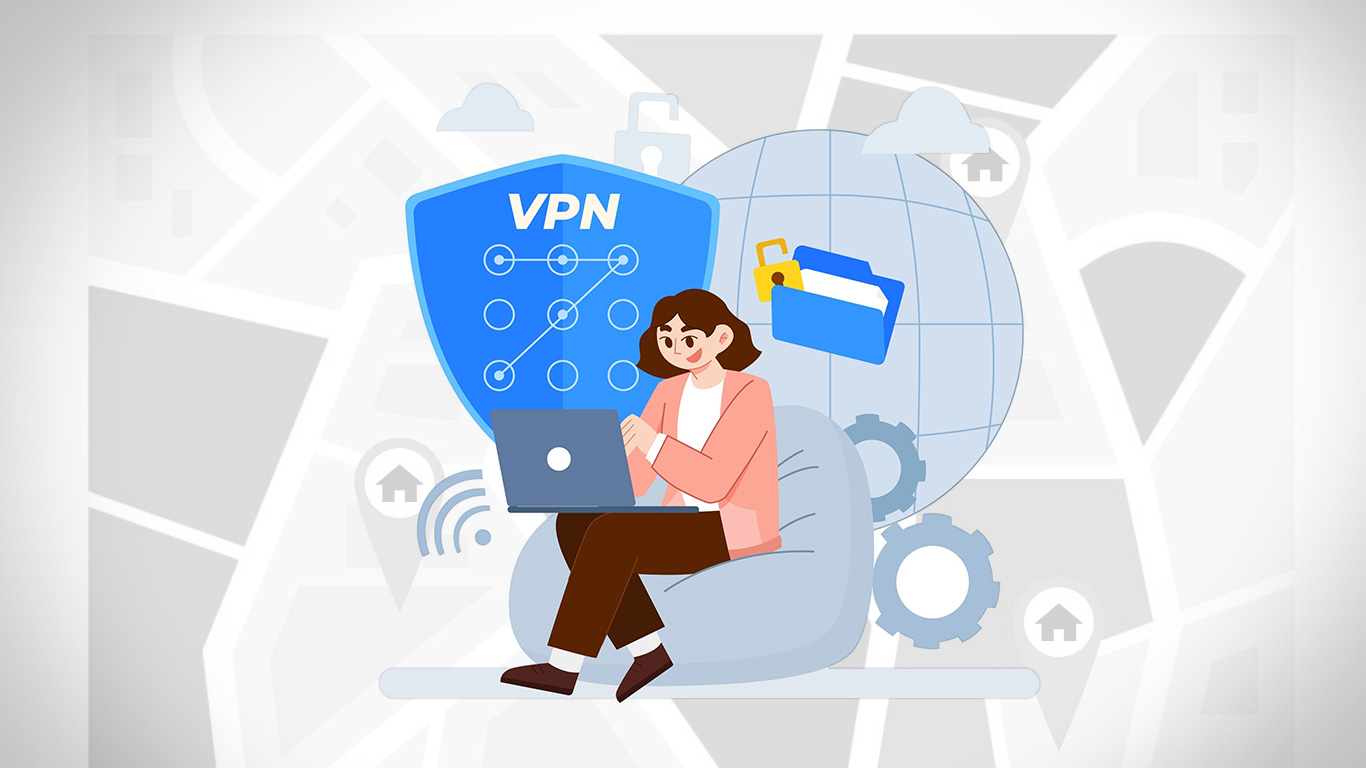
A VPN, or Virtual Private Network, is a tool that hides your IP address and encrypts your internet traffic. In simple terms, …
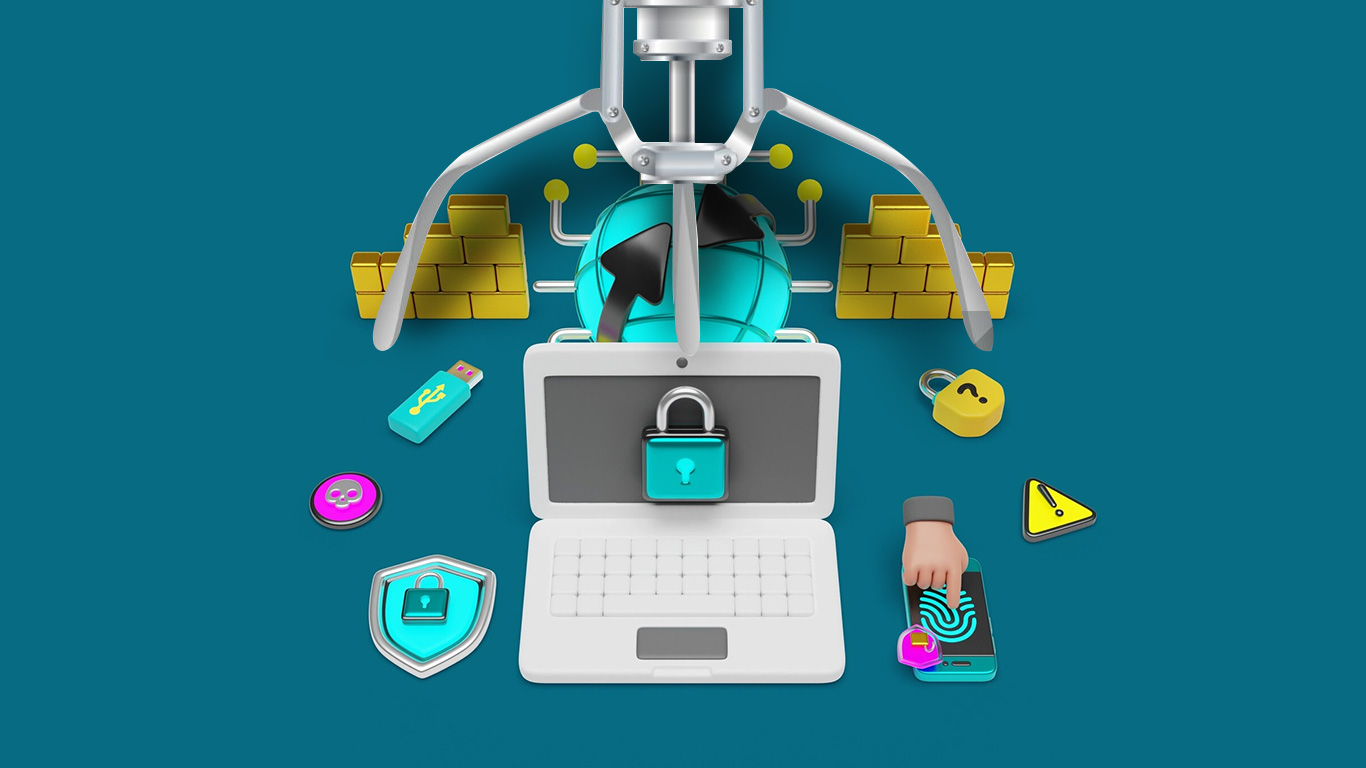
Clipper malware replaces copied text with attacker-controlled info. Learn how to protect your accounts and prevent costly mistakes online.
Built-in adblockers are easy and fast, while extensions give more control. Learn which option works best for blocking ads today.
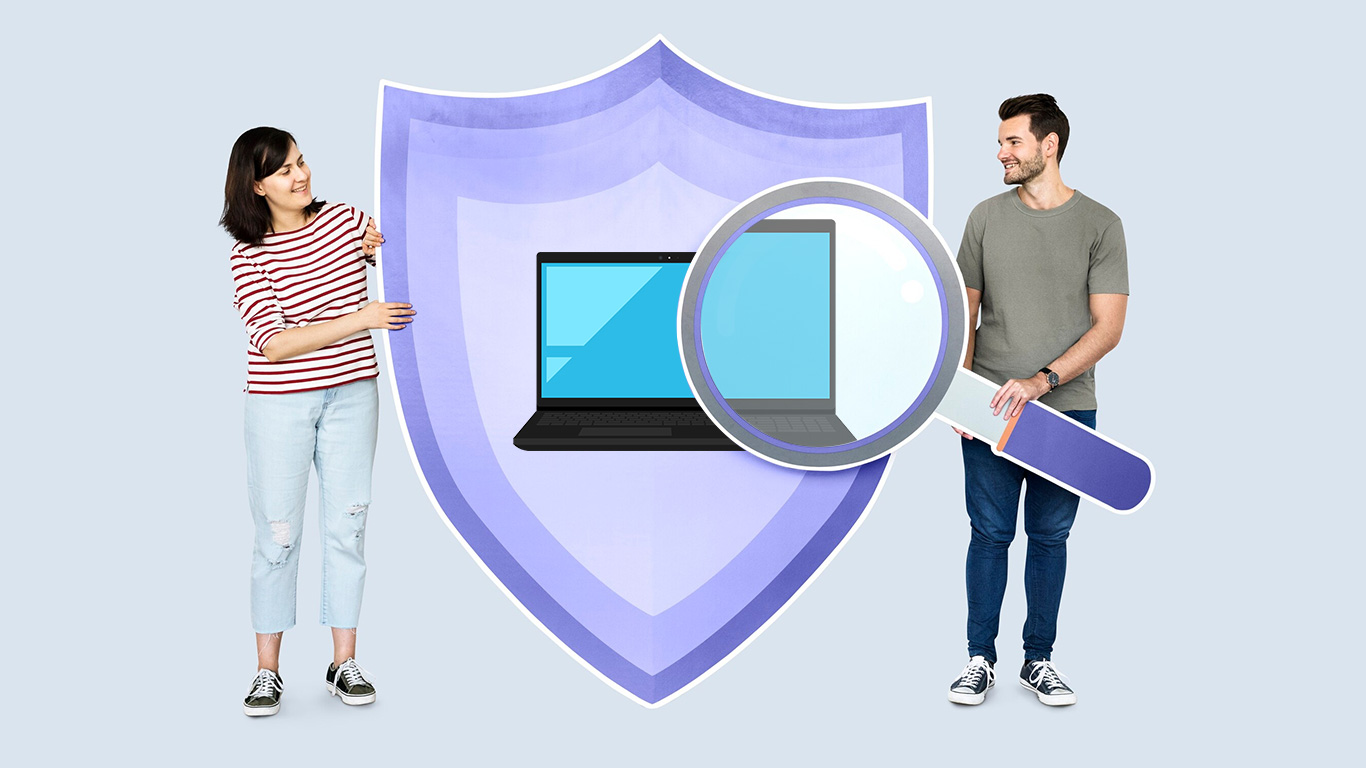
Cyber threats have become more aggressive and sophisticated, especially since the pandemic pushed more people to spend time online. Malware, ransomware, phishing scams, and data theft continue to rise, making cybersecurity tools essential for everyday users.
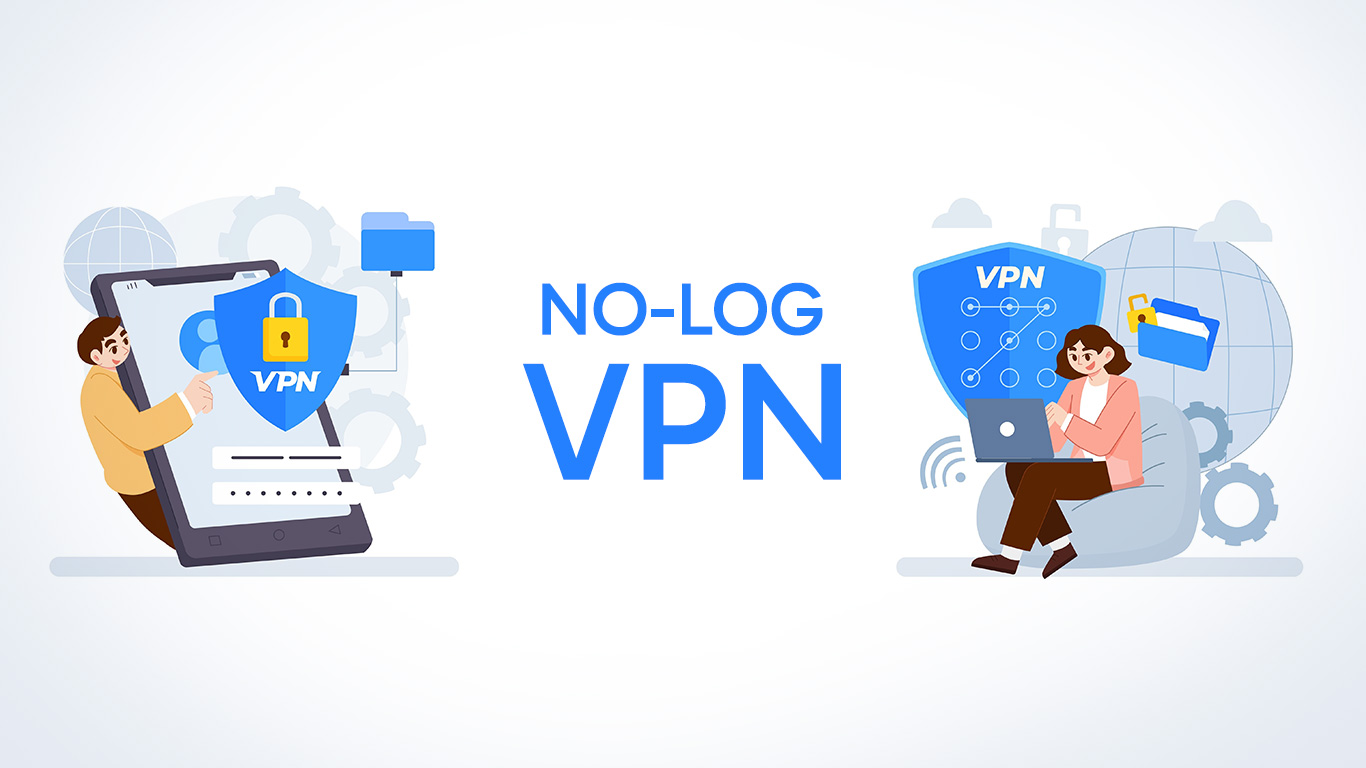
Privacy concerns online have never been higher, and for many people, VPNs feel like the go-to solution. They promise anonymity, protection from snooping ISPs, and freedom from surveillance.

Adblockers are now a normal part of browsing in 2025. According to a 2024 report from Statista, over 900 million devices worldwide now use adblock software, and the number keeps growing each year.
Many people still call any malware a “virus,” but in 2025, cyber threats are far more complex. Hackers mix old-school tricks with modern tactics like ransomware, crypto theft, and AI-powered phishing campaigns.

AI now powers 80% of ransomware attacks, making them faster, stealthier, and harder to stop. Learn what this means and how to protect yourself today.
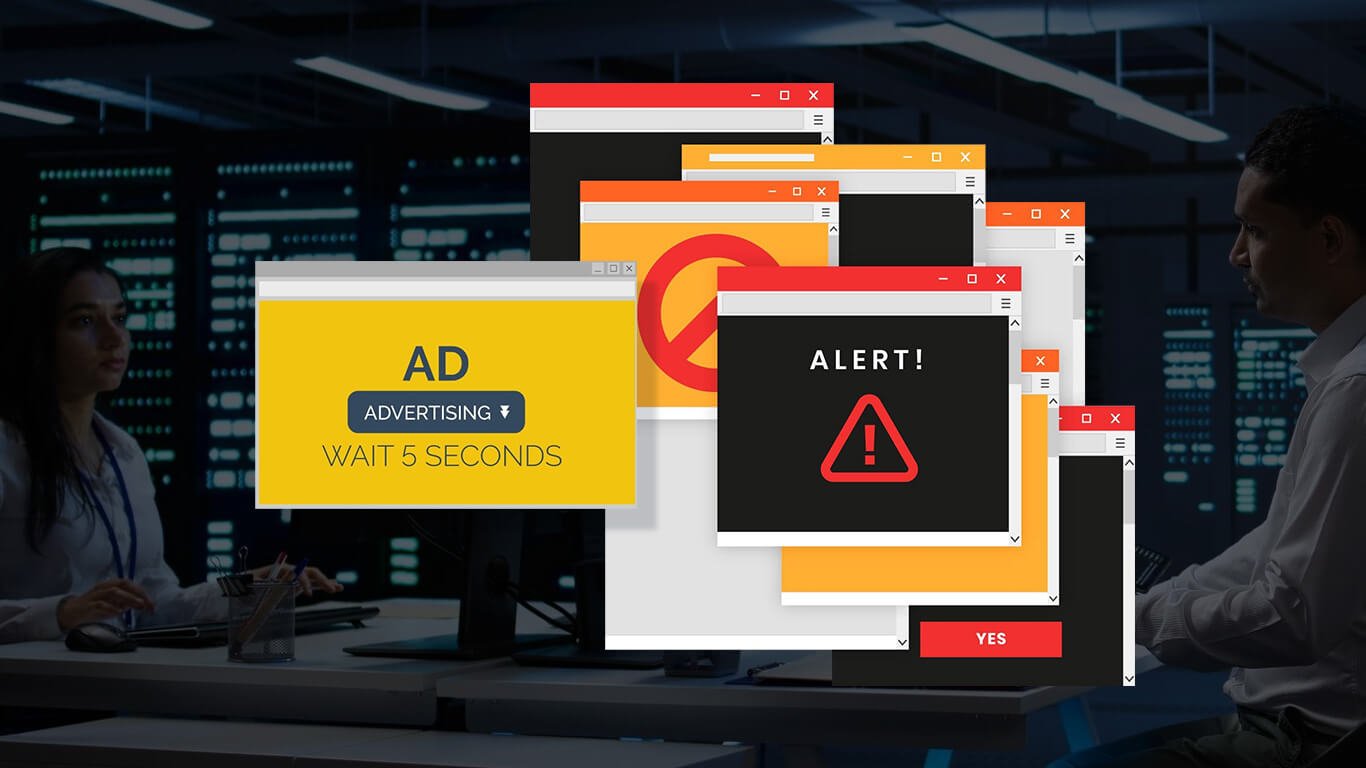
Learn what malvertising is and how malvertising attacks work. Discover also practical tips on how to prevent malvertising for users and businesses.
CISA’s Secure by Design faces an uncertain future as leadership exits, industry pushback, and political shifts raise questions about its role in software security.

Online threats hide in ads, even on trusted sites. Ad blockers safeguard your device in 12 essential ways for safer browsing.
Computer viruses continue to advance in 2025. Find out which threats matter most this year and practical steps you can take to stay safe.
Antivirus does more than scan for viruses. Learn 12 ways it keeps your devices safe from malware, ransomware, and online threats.